Tag: ASEAN
-
The Shine That Casts a Shadow: Peranakan Glamour and Indigenous Erasure
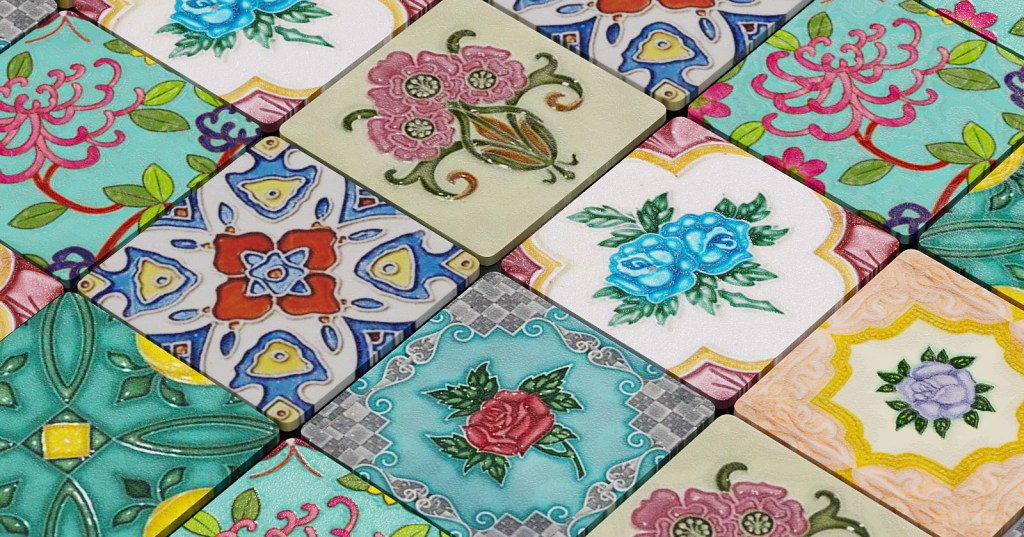
Across the southern Thai coast, the straits of Malacca, and the Javanese heartland, the Peranakan world has long flourished. This blend of Chinese, Malay, and local influences is now celebrated as a regional treasure. Museums showcase it. Festivals like Phuket’s “Sai Kabaya Pateh” market it as authentic heritage. But for those who view culture as…
-
Rooted in Dignity The Spirit of Ramadan and the Endurance of Indigenous Identity

As Muslims around the world observe the month of Ramadan, here in our region it arrives not only as a sacred time of worship, but as a season of reflection that feels deeply familiar to our histories and lived experiences. Ramadan is a month that teaches us to pause. To slow the pace of consumption.…
-
They Rewrote Our History and We Believed It
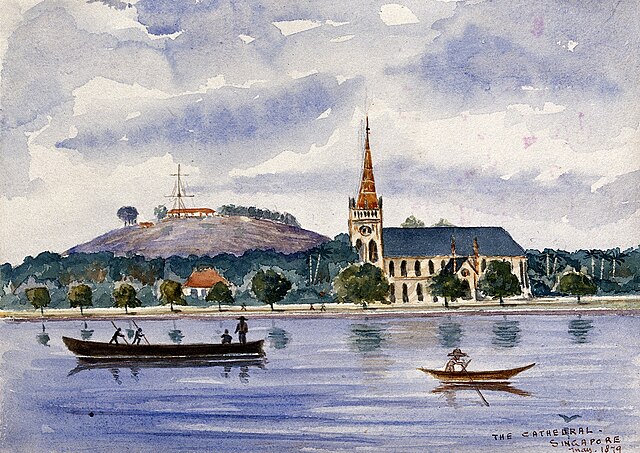
They rewrote our history. And we believed it. We were taught that our ancestors were simple fishermen and subsistence farmers. That civilisation arrived from elsewhere. India, China, Arabia, Europe. That we were passive recipients of progress, not its architects. This story feels natural because it was repeated until it became unquestionable. But it is a…
-
Breaking Malay Stereotypes: From Punchlines to Self-Knowledge

The Normalisation of Stereotypes Malay stereotypes have existed for so long that they have begun to feel ordinary. Words such as lazy, backward, overly sensitive, or kampung-minded are repeated so casually that they are often disguised as jokes. They are softened with laughter and dismissed as harmless humour. At times, even Malays repeat these stereotypes…
-
If This Makes You Uncomfortable, You Should Ask Yourself Why

This piece is not written about you. It is written to you. This is addressed to everyone across Southeast Asia, particularly to those who benefit from dominant historical narratives and feel unsettled when indigenous communities seek to reclaim histories that were marginalised, softened, or rewritten. To you, who insist you are not racist, who genuinely…
-
The Disappearance of Kampong Spirit and the Cost of Development in Singapore
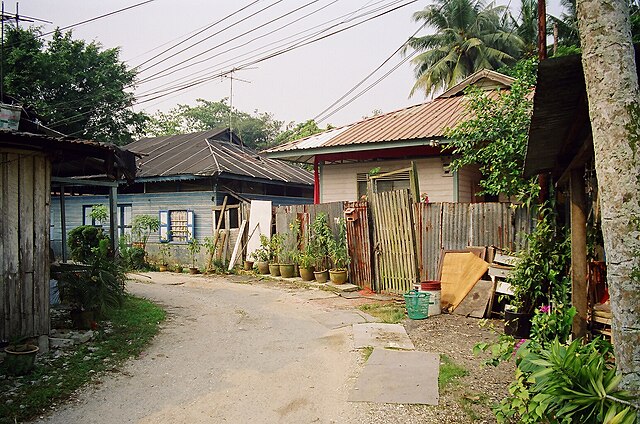
Singapore frequently calls for a revival of the kampong spirit. Political speeches, national campaigns, and school values programmes describe it as neighbourliness, mutual care, and shared responsibility. The term is treated as a moral ideal that modern society must rediscover. What is rarely acknowledged is a more uncomfortable truth. Kampong spirit did not disappear on…
-
Rooted and Unapologetic: Embracing Indigenous Pride in Southeast Asia
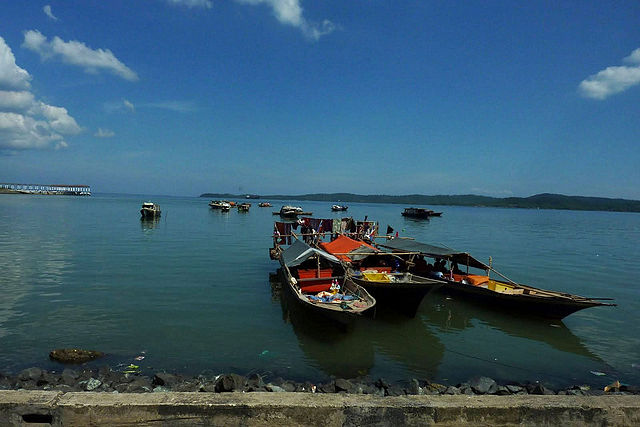
Indigenous identity in Southeast Asia has been historically devalued, leading many native people to suppress who they are. Pride must endure even when it is questioned, mocked, or dismissed by more economically affluent migrant communities. According to UNESCO, indigenous peoples across the Asia-Pacific region have faced sustained cultural marginalisation that pressures them to abandon language,…
-
Mendam Berahi: Could the fabled Malaccan ship have really existed?
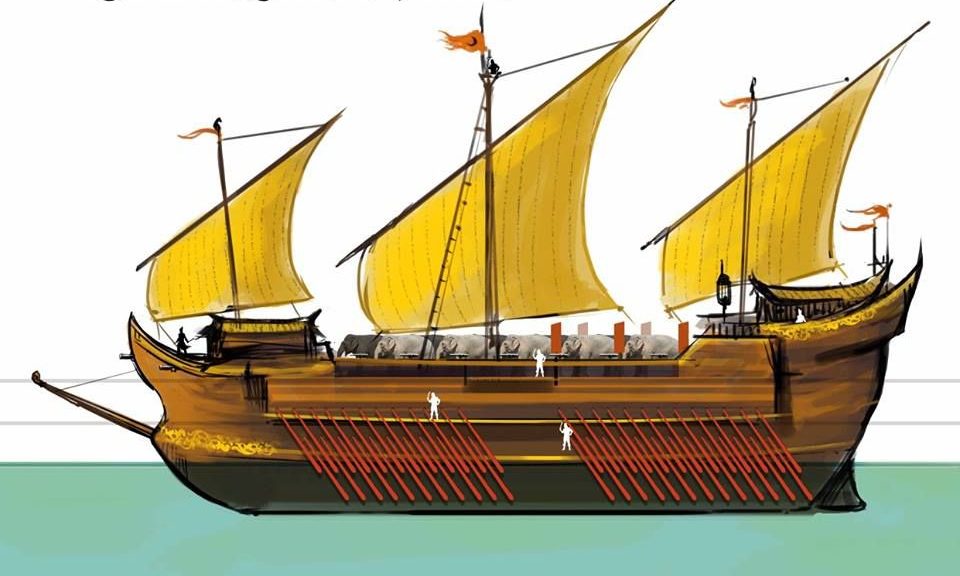
For most of the last five centuries, the Mendam Berahi lived only in the imagination, half ship, half apparition. In the Hikayat Hang Tuah, the vessel gleams like a fever dream of Malacca’s golden age: a colossal royal galley built in secrecy, lacquered black, outfitted for diplomatic splendour, and entrusted to the Sultan’s most loyal…
-
A Shared Wound, A Shared Conscience
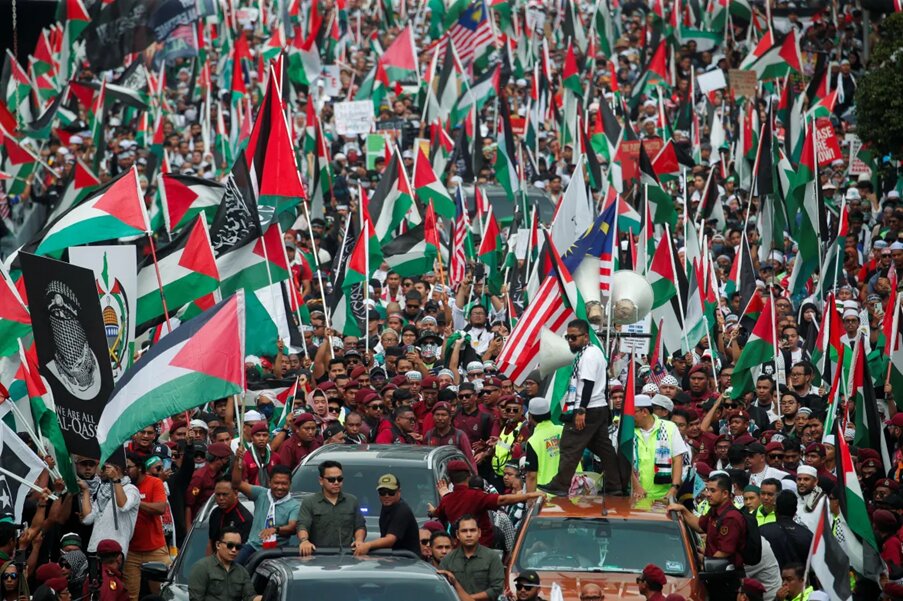
Before present-day borders, Palestine awakened the Nusantara’s political and spiritual conscience. The Early Connections: Faith, Empire, and Awakening In the first half of the twentieth century, the Malay world was still finding its voice under colonial rule. Steamships carried pilgrims and students from Penang, Singapore, and Kelantan, and from Batavia, Aceh, and Surabaya, to Mecca…
-
Singapore Before 1819: Malay and Javanese Kingdoms, The Forbidden Hill and more
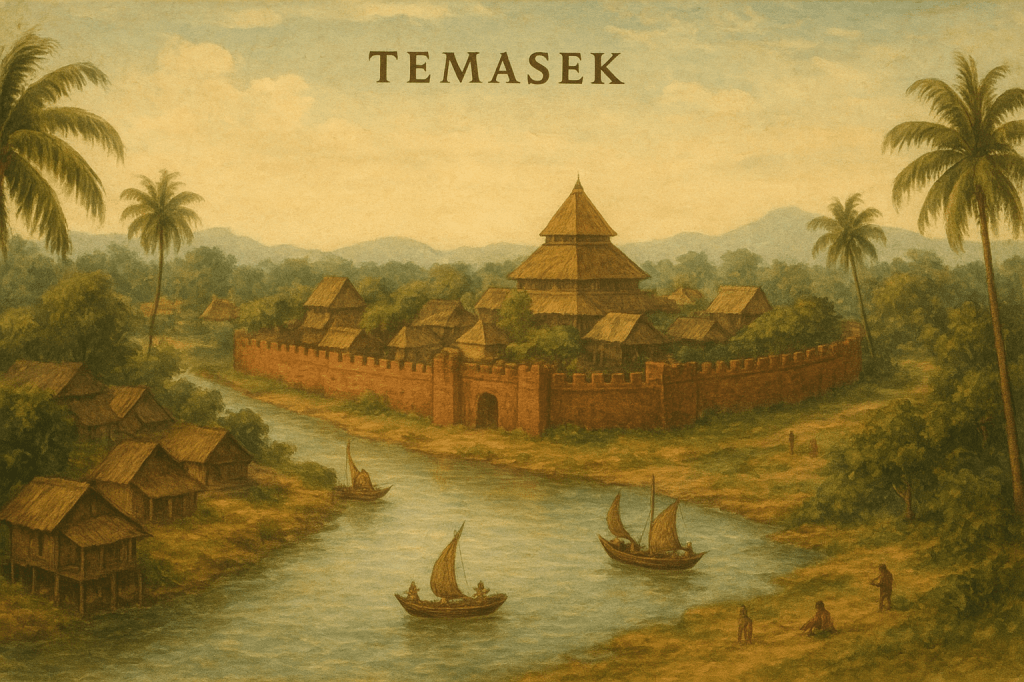
Before it was called Singapore, this island bore many names. Temasek, Pulau Ujong, and Singapura were among some of the names that were used to refer to the island. These names, found in early records and oral traditions, reflect a long and layered history that predates British colonisation by many centuries. Yet, many today are…
 The Indigenous Narrative