Category: the indigenous narrative
-
Here Before the Map
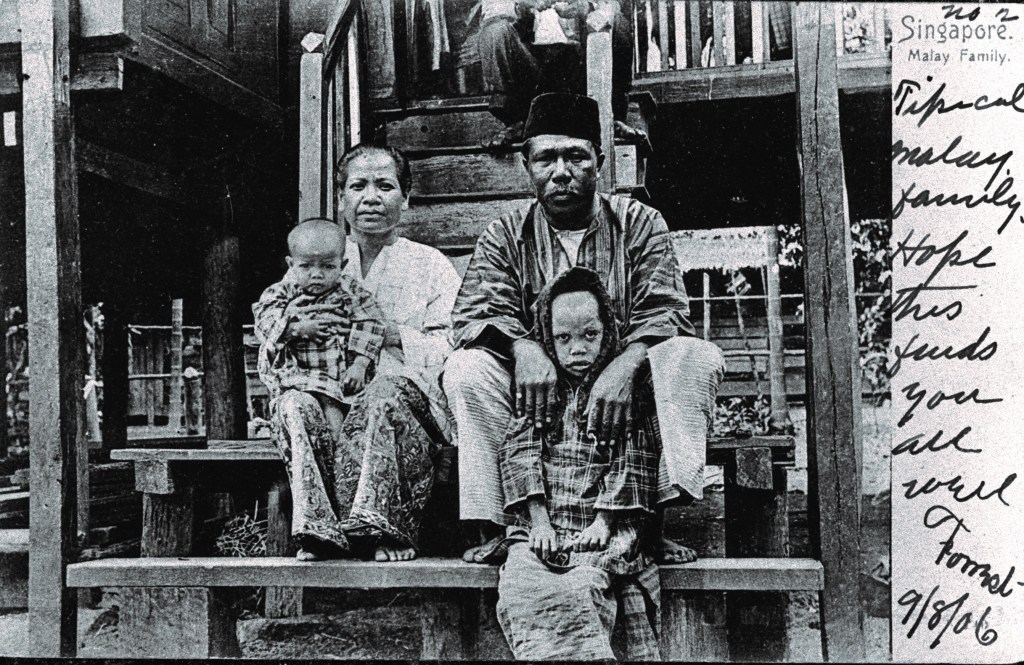
The Malays Did Not Migrate Here It is a question asked casually, sometimes innocently, sometimes pointedly. “The Chinese came from China. The Indians came from India. So where did the Malays come from?” On the surface, it sounds logical. Neat. Balanced. But the question itself is built on a false frame. One that only works…
-
They Rewrote Our History and We Believed It
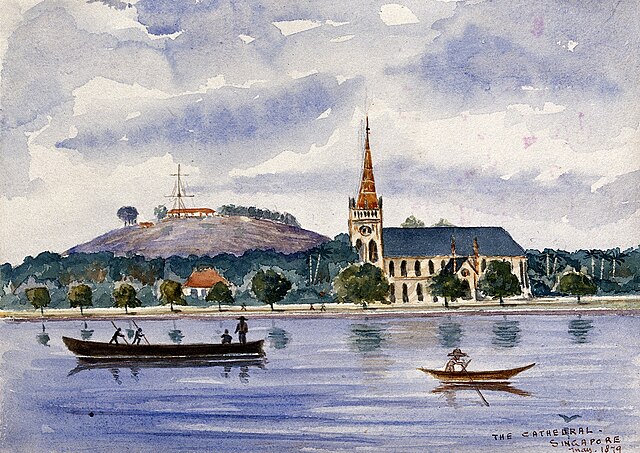
They rewrote our history. And we believed it. We were taught that our ancestors were simple fishermen and subsistence farmers. That civilisation arrived from elsewhere. India, China, Arabia, Europe. That we were passive recipients of progress, not its architects. This story feels natural because it was repeated until it became unquestionable. But it is a…
-
Progress and the Lingering Tongue: A Reflection on Malay and the Malay Mindset
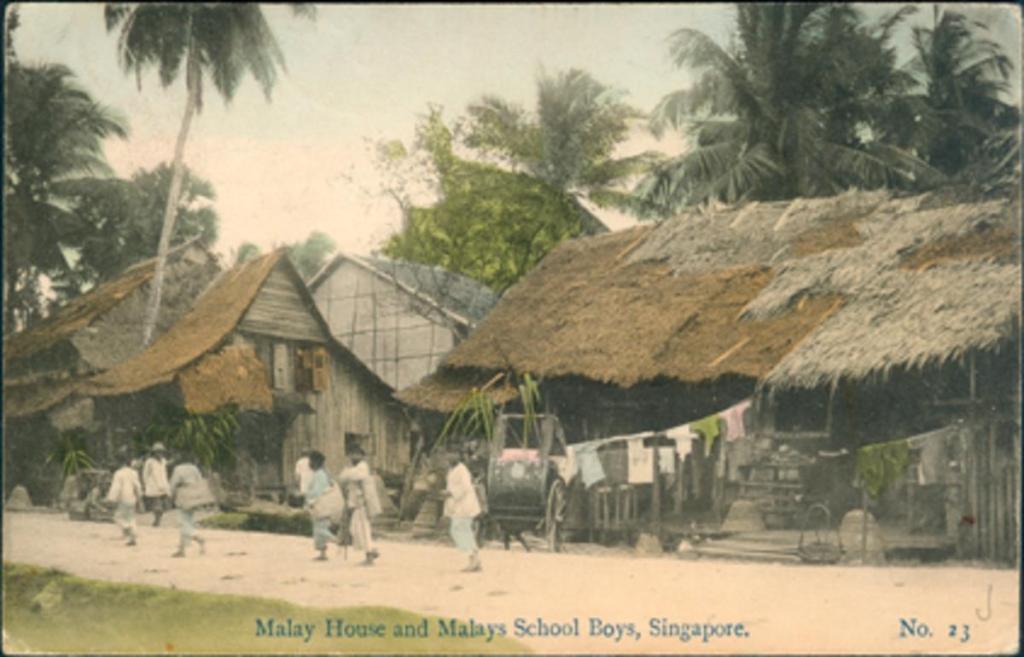
One of the more subtle challenges facing Malay societies today is not a lack of advancement, but a confusion over what advancement truly means. In many spaces, progress is equated with linguistic replacement. The greater the distance from the mother tongue, the more modern one is perceived to be. English and other foreign languages are…
-
Why We Tell These Stories: A Return to Semangat
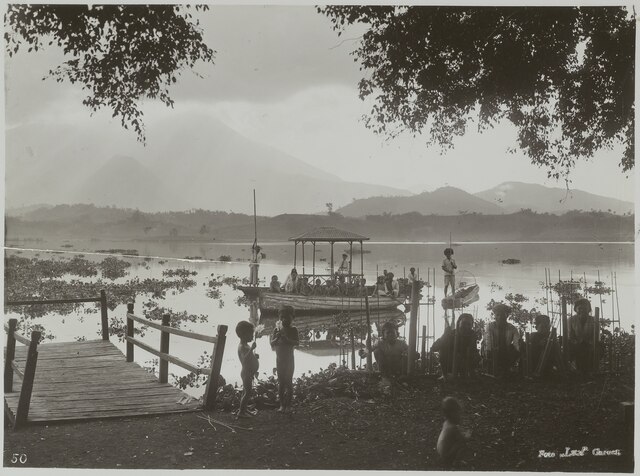
Across Southeast Asia, stories are everywhere. They move through our phones, our televisions, our conversations, and our timelines at a relentless pace. News breaks, trends rise and fall, narratives are packaged and repackaged for easy consumption. Yet for all this movement, something essential remains largely unmoved. Beneath the surface of mainstream media coverage across the…
-
From Wax and Cloth to World Culture: The Origins and Global Influence of Batik
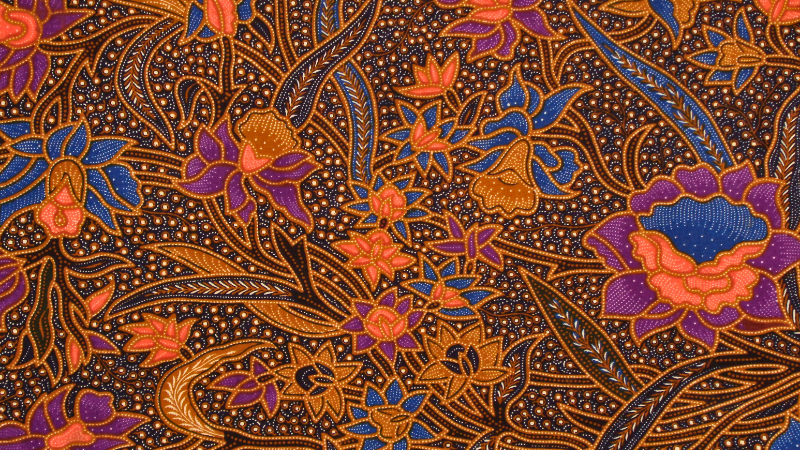
In recent years, batik has become visually synonymous with Peranakan culture. It appears in exhibitions, home décor, fashion editorials, and heritage narratives, often framed as a hallmark of Straits Chinese identity. This visibility has brought batik renewed attention, but it has also quietly shifted the centre of gravity of its story. The deeper origins of…
-
Breaking Malay Stereotypes: From Punchlines to Self-Knowledge

The Normalisation of Stereotypes Malay stereotypes have existed for so long that they have begun to feel ordinary. Words such as lazy, backward, overly sensitive, or kampung-minded are repeated so casually that they are often disguised as jokes. They are softened with laughter and dismissed as harmless humour. At times, even Malays repeat these stereotypes…
-
If This Makes You Uncomfortable, You Should Ask Yourself Why

This piece is not written about you. It is written to you. This is addressed to everyone across Southeast Asia, particularly to those who benefit from dominant historical narratives and feel unsettled when indigenous communities seek to reclaim histories that were marginalised, softened, or rewritten. To you, who insist you are not racist, who genuinely…
-
Not Racist, Just Indigenous: Why We Should No Longer Stay Silent

In Southeast Asia, silence is often mistaken for harmony. We are taught that keeping quiet preserves social cohesion, that raising difficult truths risks destabilising multicultural societies, and that speaking too plainly about history or power makes one divisive. In countries like Singapore, Malaysia, and Indonesia, silence is frequently framed as the price of peace. But…
-
The Disappearance of Kampong Spirit and the Cost of Development in Singapore
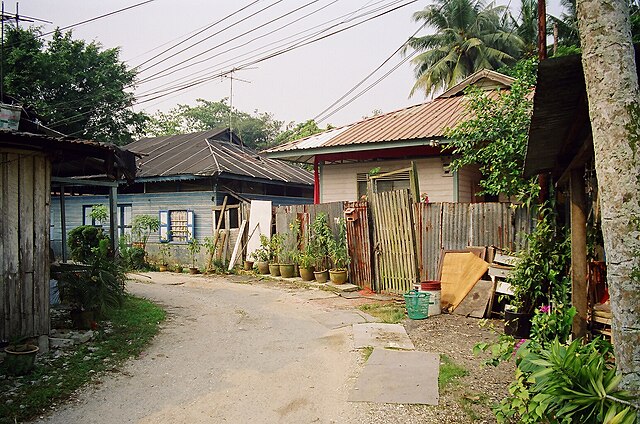
Singapore frequently calls for a revival of the kampong spirit. Political speeches, national campaigns, and school values programmes describe it as neighbourliness, mutual care, and shared responsibility. The term is treated as a moral ideal that modern society must rediscover. What is rarely acknowledged is a more uncomfortable truth. Kampong spirit did not disappear on…
-
Bumiputera Privileges: Why They Are Justified and Should Not be Challenged

In Southeast Asia, the question of indigenous rights and privileges often arises in public discourse, particularly in multi-ethnic nations such as Malaysia, Indonesia, Brunei, and Singapore. Indigenous or native communities, including the Malays in Malaysia and Singapore, the Brunei Malays, and various native groups in Indonesia, have historically been granted special rights, protections, and access…
 The Indigenous Narrative