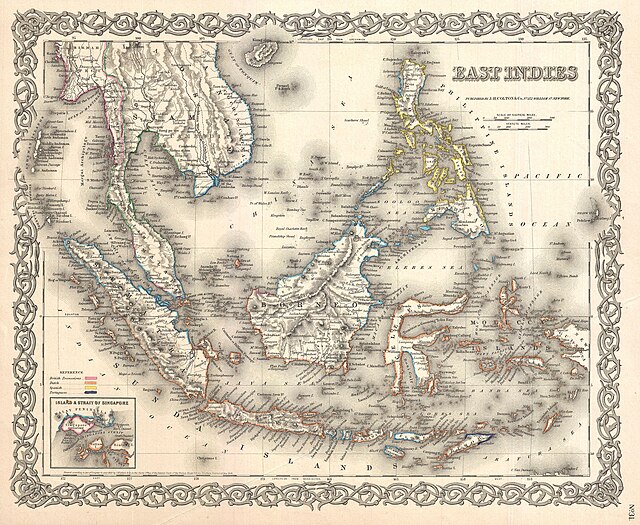
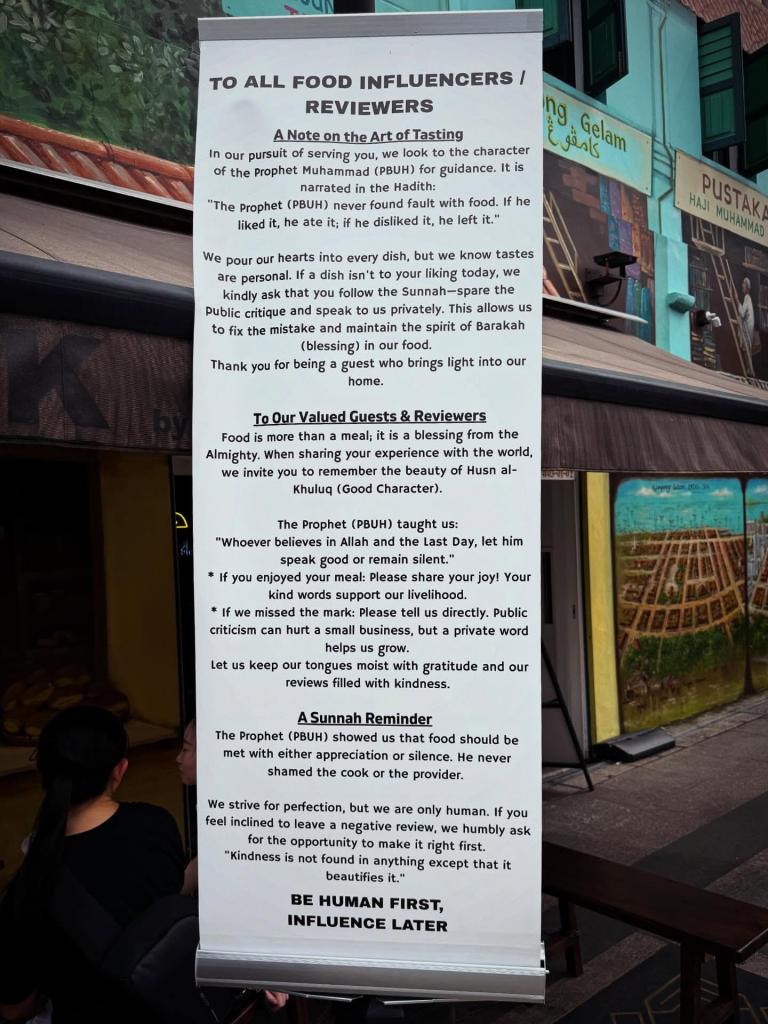
A sign at a Ramadan bazaar recently made the rounds online. It suggested that customers should refrain from criticising vendors and simply offer support to small businesses.
The intention was understandable. Many entrepreneurs start with limited capital, long hours, and thin margins. Encouragement matters. Support matters.
But growth requires something more.
If we are serious about building strong indigenous business ecosystems across the Nusantara, we must be prepared to accept criticism, whether constructive or not. Not every comment will be polished. Not every remark will be delivered with tact. Some may be blunt. Some may even feel unfair.
Maturity lies in how we respond. Instead of reacting defensively, we ask: Is there something here I can learn? Even poorly delivered feedback can contain insight. Even criticism that carries emotion may highlight a blind spot.
Shielding ourselves from critique in the name of solidarity weakens standards. At the same time, criticising without empathy weakens unity. Customers should speak with sincerity, not superiority. Entrepreneurs should listen with resilience, not ego.
Excellence is not built on comfort. It is built on refinement. Communities mature when they are strong enough to support one another and disciplined enough to improve.
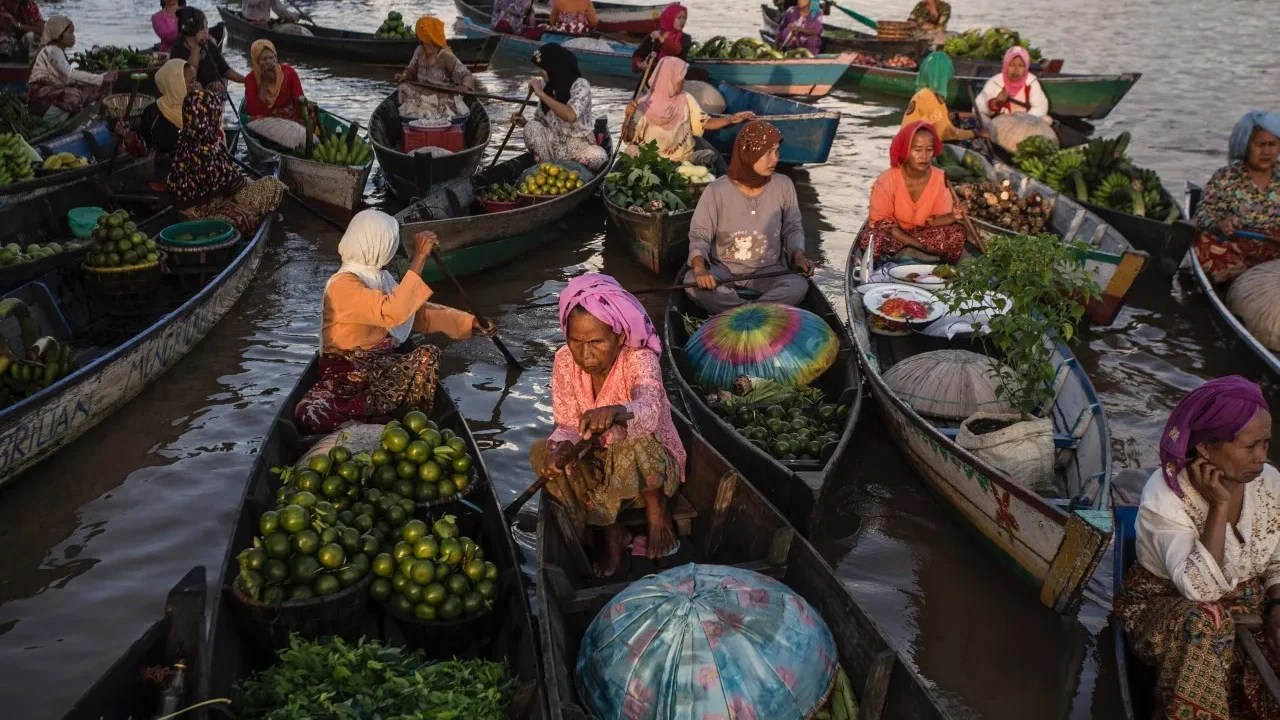
For generations in the nusantara, indigenous identity was defended, culture was safeguarded, and heritage was honoured. These efforts were necessary. But in this imagined chapter of the region’s future, a new realisation takes root. Cultural survival without economic strength leaves a community vulnerable. Pride without ownership is fragile. Representation without capital is limited.
So the question becomes more urgent and more practical. What would happen if indigenous communities across the Nusantara chose not only to preserve what they inherited, but to build with it deliberately and collectively?
Building Ecosystems, Not Just Businesses
For indigenous communities of the Nusantara, economic participation cannot remain individualistic. A lone entrepreneur may succeed, but without an ecosystem, success is fragile.
An ecosystem means more than startups. It means supply chains that circulate within the community before flowing outward. It means mentorship structures where experienced business owners groom the next generation. It means capital networks that understand local contexts instead of extracting from them. It means cross border collaboration rooted in shared language, culture and trust.
When indigenous businesses support one another by sourcing, promoting and investing within the network, resilience is created. Growth compounds. Confidence multiplies. Prosperity becomes shared rather than symbolic.

The Matters of the Heart
Infrastructure alone is not enough. Ecosystems collapse not only from market pressure but from matters of the heart.
Envy is corrosive. It suggests that another person’s success reduces our own. In close communities, that mindset spreads quickly and quietly.
A real shift requires emotional maturity. To be supportive does not mean blind loyalty. It means recognising that someone else’s breakthrough expands what is possible for everyone.
Support is active. It is purchasing intentionally. It is sharing opportunities. It is offering honest feedback instead of merely tearing down.
Rebalancing Economic Participation
This shift is also about long term balance in Southeast Asia.
Much of the region’s commercial dominance has historically been associated with established migrant business networks, particularly ethnic Chinese diasporas who built strong capital systems across generations. Their success was structured, disciplined and community supported.
There is a lesson in that.
The aspiration for indigenous communities is not about resentment or exclusion. Southeast Asia’s prosperity has always been plural. It is about participation with parity.
When indigenous entrepreneurs build equally strong ecosystems by reinvesting within their networks, mentoring systematically and prioritising ownership, economic gravity shifts. Not through confrontation, but through competence. Not through rhetoric, but through results.
This is not a zero sum vision. A stronger indigenous business class strengthens the entire region. Broader participation creates stability, competitiveness and resilience.
The shift begins with everyday decisions. To start. To collaborate. To invest in one another. To compete with excellence rather than complain with emotion.
In the words of Syed Mokhtar Al-Bukhary:
“Success will not come to you. You must go to it.”
The Nusantara does not lack potential. It needs builders who believe enough to act, and communities mature enough to rise together.
 The Indigenous Narrative