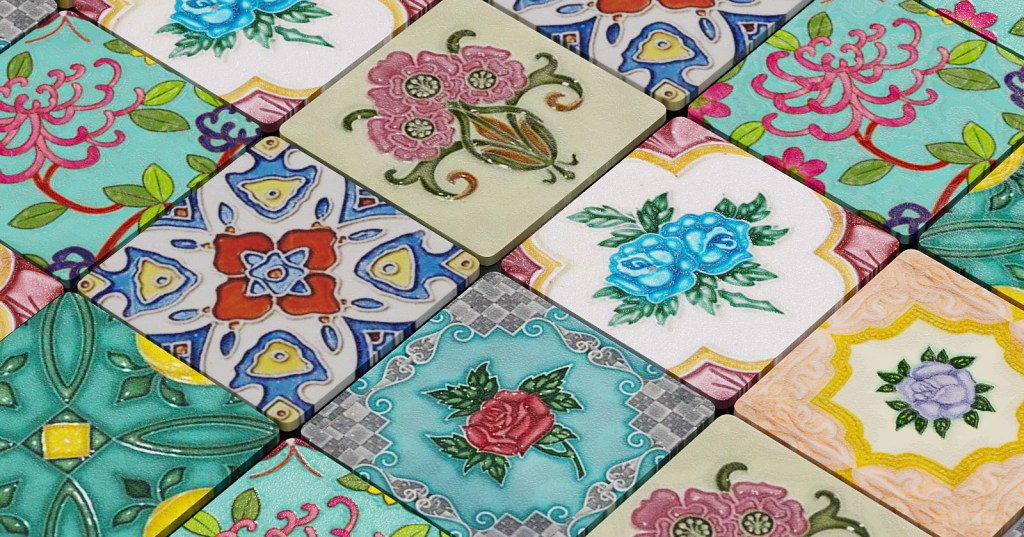
Across the southern Thai coast, the straits of Malacca, and the Javanese heartland, the Peranakan world has long flourished. This blend of Chinese, Malay, and local influences is now celebrated as a regional treasure. Museums showcase it. Festivals like Phuket’s “Sai Kabaya Pateh” market it as authentic heritage.
But for those who view culture as living inheritance, this “success” raises a question. When a culture is overly packaged and promoted by states and markets, who benefits and who loses?
This is not an attack on Peranakan heritage. The problem is its over-glamorisation, and the machinery that elevates it while indigenous cultures across the Malay world fade.
The Safe Mascot
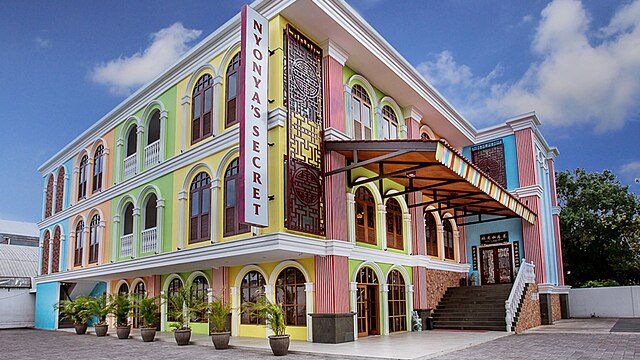
Why do states promote Peranakan culture so heavily? Because it is politically useful.
Peranakan culture is hybrid, cosmopolitan, and feel good. It symbolises interracial harmony without demanding land rights or challenging state languages. It carries none of the raw historical baggage that indigenous communities carry.
Academic research confirms this. Studies show Straits Chinese heritage projects are used to project interracial harmony while being reduced to nostalgia and commerce. By elevating such cultures, states celebrate “heritage” without confronting uncomfortable histories. The marginalisation of the Mani in Satun, the displacement of Malay Muslims in Pattani, the erasure of the Balik in Kalimantan, and the constitutional promises to indigenous communities in Singapore remain unaddressed.
Losing the Essence
What happens when a culture is over-glamorised? It loses its soul.
Culture adapts. But when it becomes a brand, adaptation serves tourism and ratings, not community needs. Meaning shifts from internal to external.
In Southern Thailand, the Peranakan Chinese have preserved a unique Baba dialect for generations. Yet research shows that “commodification of Peranakan culture for tourism leads to exploitation of selected historical meanings to fulfil a newly constructed identity. ” Younger Peranakans now navigate identity strategically as language use shifts.
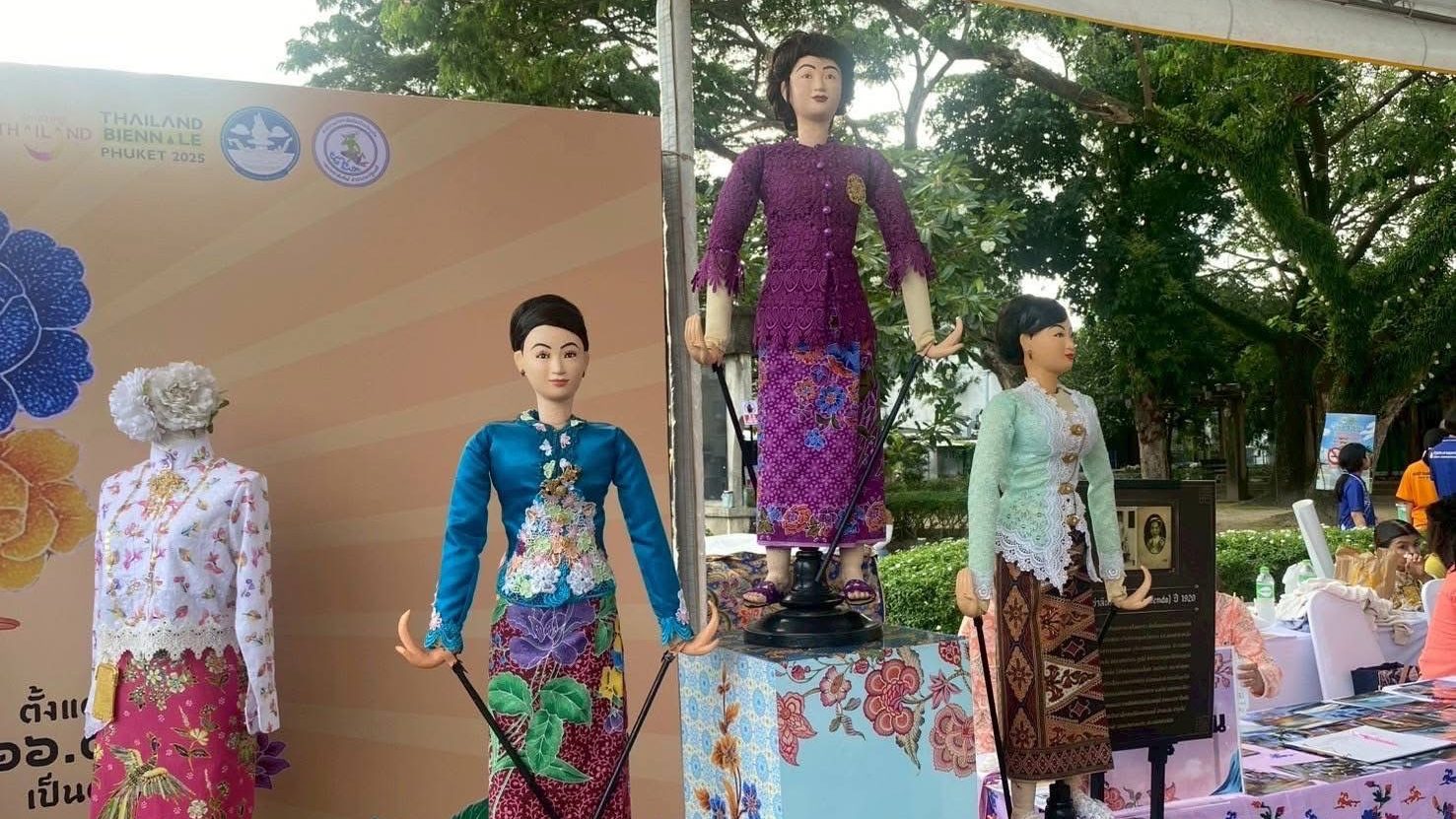
In Phuket, the “Sai Kabaya Pateh” festival explicitly aims to attract tourists. Organisers acknowledge the risk of cultural appropriation and the challenge of keeping representation accurate.Scholars question whether labelling everything “Peranakan” has become “an overly simplistic approach, ” reducing rich culture to “banal reproduction of stereotypes.”
What Gets Overshadowed
While Peranakan culture shines, indigenous communities struggle.
In the Riau Islands, Malay communities of Rempang Island face forced relocation for an Eco City project. The state has “arrogantly mobilised the armed forces” to remove them from land inherited for centuries.
In Thailand’s Deep South, Malay Muslim provinces like Pattani have endured decades of conflict rooted in “cultural and religious oppression.” Nearly 10,000 attacks have occurred in two decades. Assimilation efforts suppressing cultural identity have failed, “leading to ongoing tensions.”
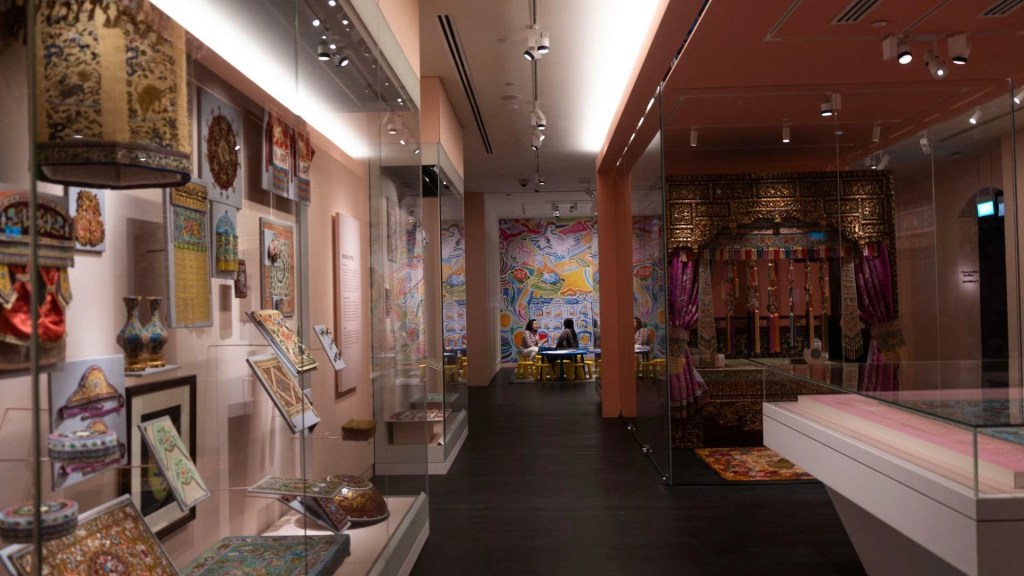
In Singapore, the government invests millions in a Peranakan museum while indigenous languages fade from classrooms. Constitutional promises to protect Malay interests sit awkwardly alongside a national narrative that often begins with Raffles, not with the orang laut who came before.
The Hierarchy of Heritage
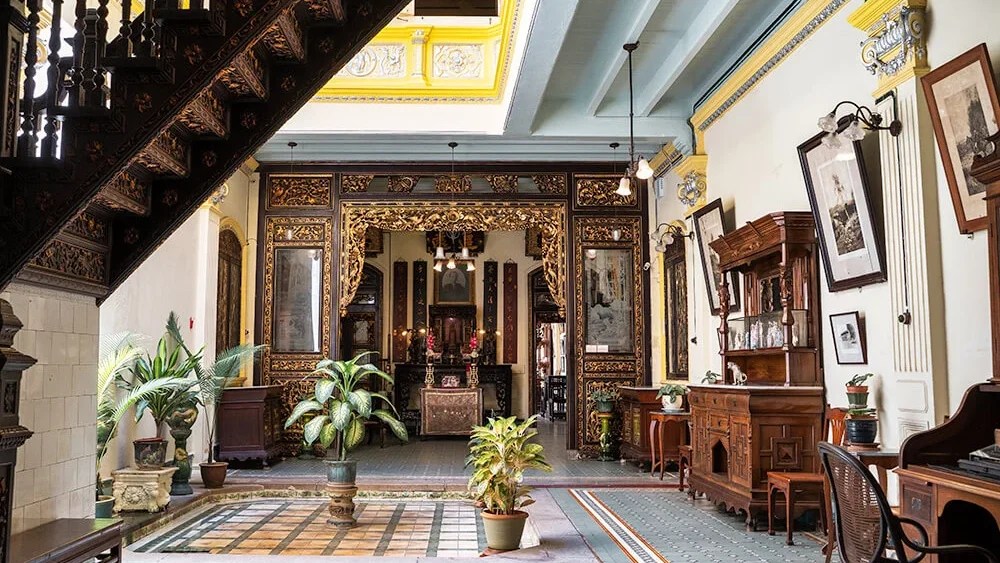
When Phuket celebrates hybrid heritage while the Mani struggle for land, it sends a message. When Malaysia promotes Straits Chinese cuisine while Orang Asli fight for customary land, it sends a message. When Indonesia builds a capital called Nusantara while displacing the Balik from theirs, it sends a message. When Singapore elevates Peranakan culture as the face of local heritage while indigenous communities remain on the margins, it sends a message.
Some cultures are for display. Others are for disposal.
The problem is not hybridity. Peranakan culture, like all living cultures, evolved through exchange. The problem is the hierarchy of heritage that states and markets create, elevating certain cultures while letting others wither.
Scholars now call for “Nusantarazation,” a decolonization that centres local wisdom and indigenous heritage over capitalist definitions of property.
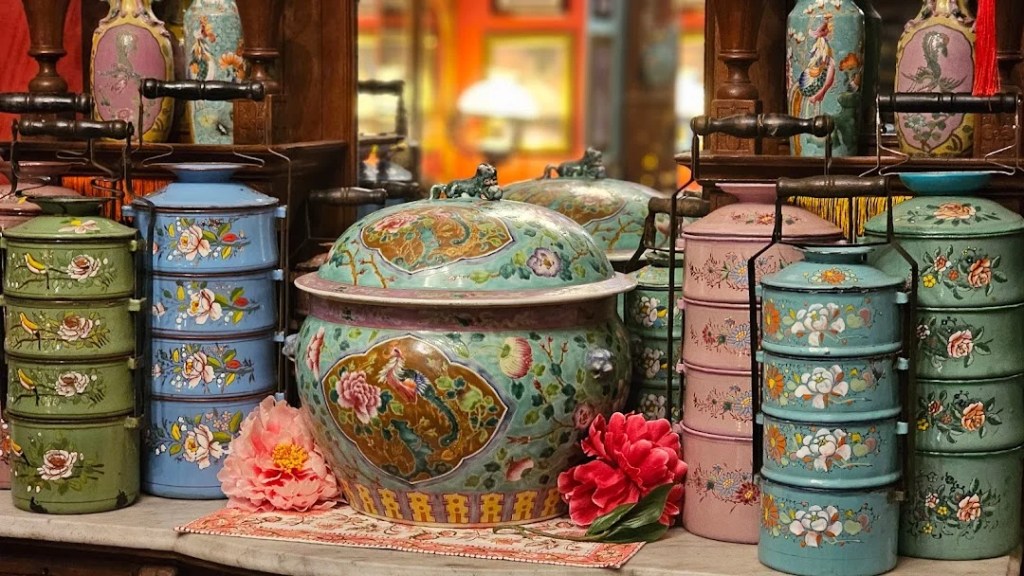
Reclaiming the Narrative
The indigenous narrative of the nusantara is not a footnote. The Mani, the Balik, the Malay communities of Pattani, Rempang, and Singapore, these are the ground upon which cosmopolitan stories were built.
When we celebrate Peranakan culture, we should not celebrate it as a substitute for indigenous recognition, but as one thread in a larger tapestry.
While we admire the glittering surface of hybrid heritage, what other voices are we letting fade into silence?
 The Indigenous Narrative