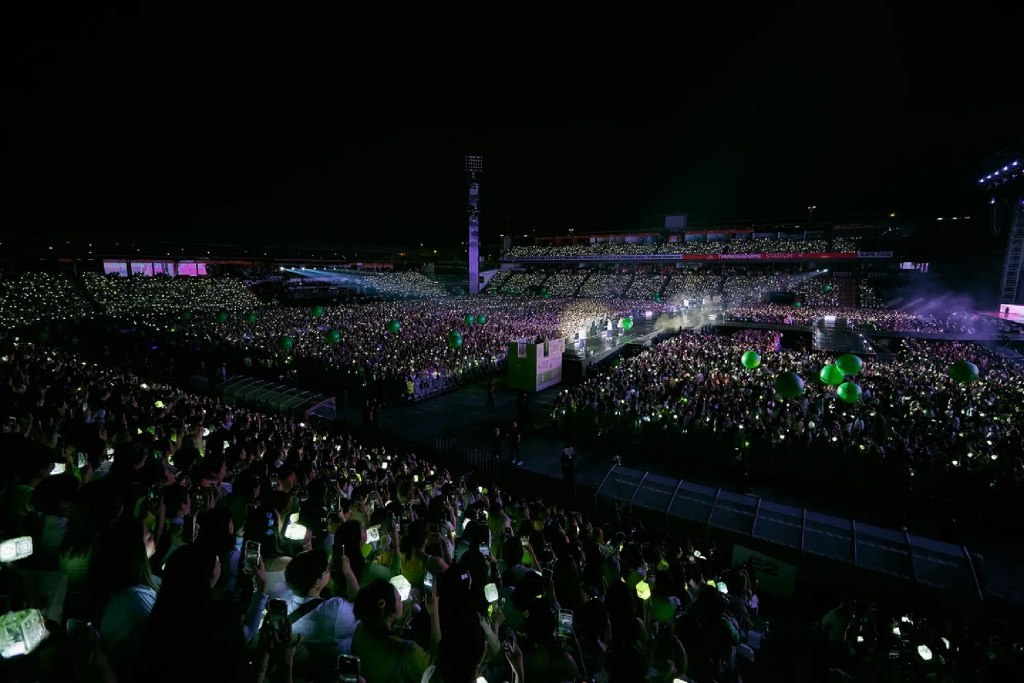
The recent backlash between South Korean and Southeast Asian K pop fans following a concert incident in Southeast Asia has frequently been dismissed as little more than online fandom drama. At best, it has been framed as a misunderstanding over concert etiquette or cultural difference. At worst, it has been trivialised as petty infighting among overly emotional fans. Yet to view it this way is to miss what the incident truly exposed. At its core, the controversy revealed a racial and cultural hierarchy that has long existed within global K pop random, one where Southeast Asian fans are welcomed as consumers but rarely respected as equals.
Southeast Asia as a Foundational Market
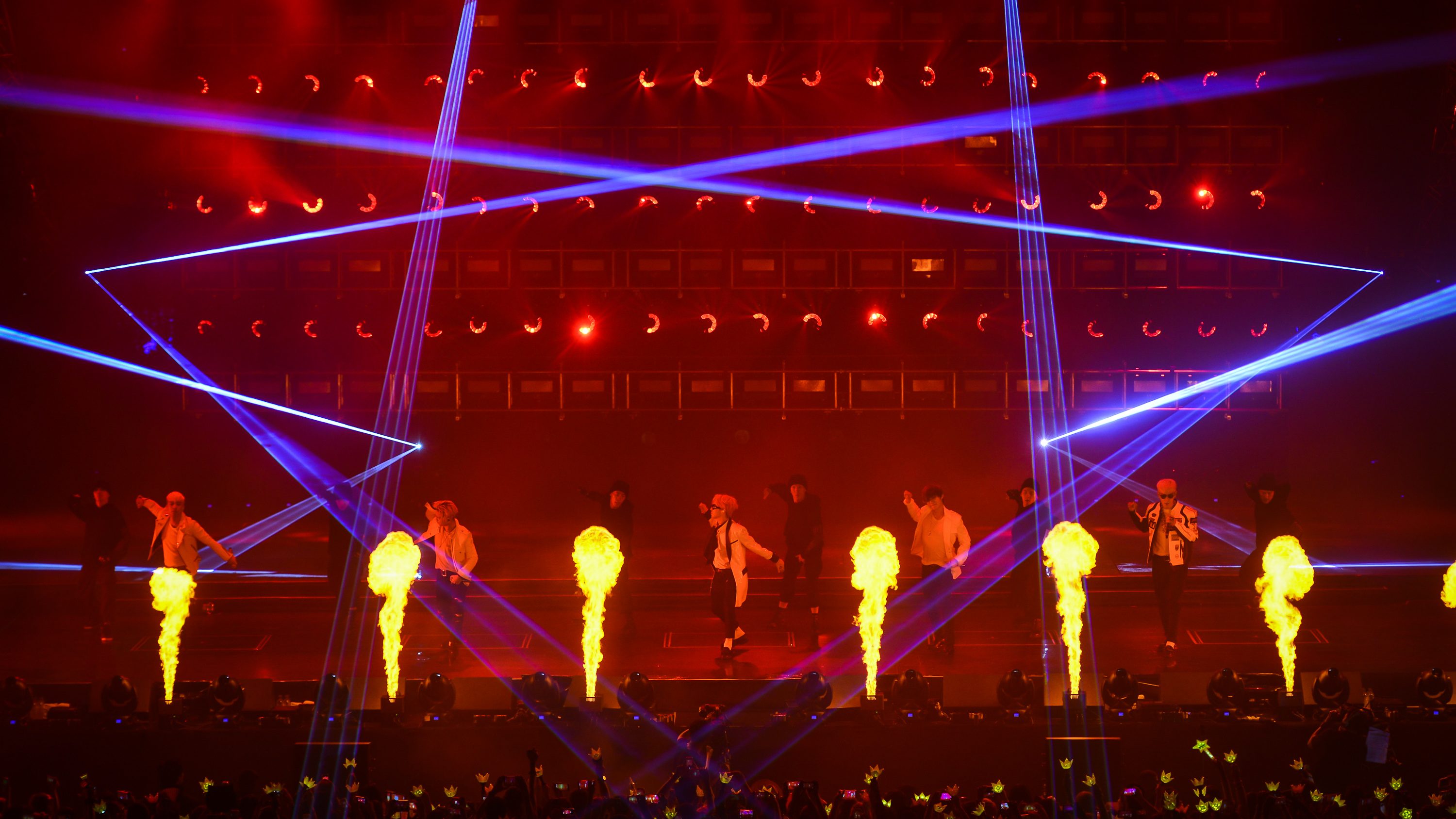
For more than a decade, Southeast Asia has been one of K pop’s most consistent and reliable regions. Fans across Malaysia, Indonesia, the Philippines, Thailand, Vietnam, and Singapore have filled concert venues, driven streaming numbers, organised grassroots fanbases, and sustained idol groups during periods when Western validation was neither guaranteed nor prioritised. This support was not peripheral. It was structural. It helped build the global momentum that K pop now enjoys.
Yet despite this, Southeast Asian fans continue to occupy an unstable position within fandom hierarchies. Their presence is celebrated when it translates into numbers. Ticket sales, online engagement, and voting power are welcomed and encouraged. But when these same fans assert boundaries, raise concerns, or challenge behaviour that affects their experience, their legitimacy is suddenly questioned.
Conditional Inclusion and the Limits of Belonging
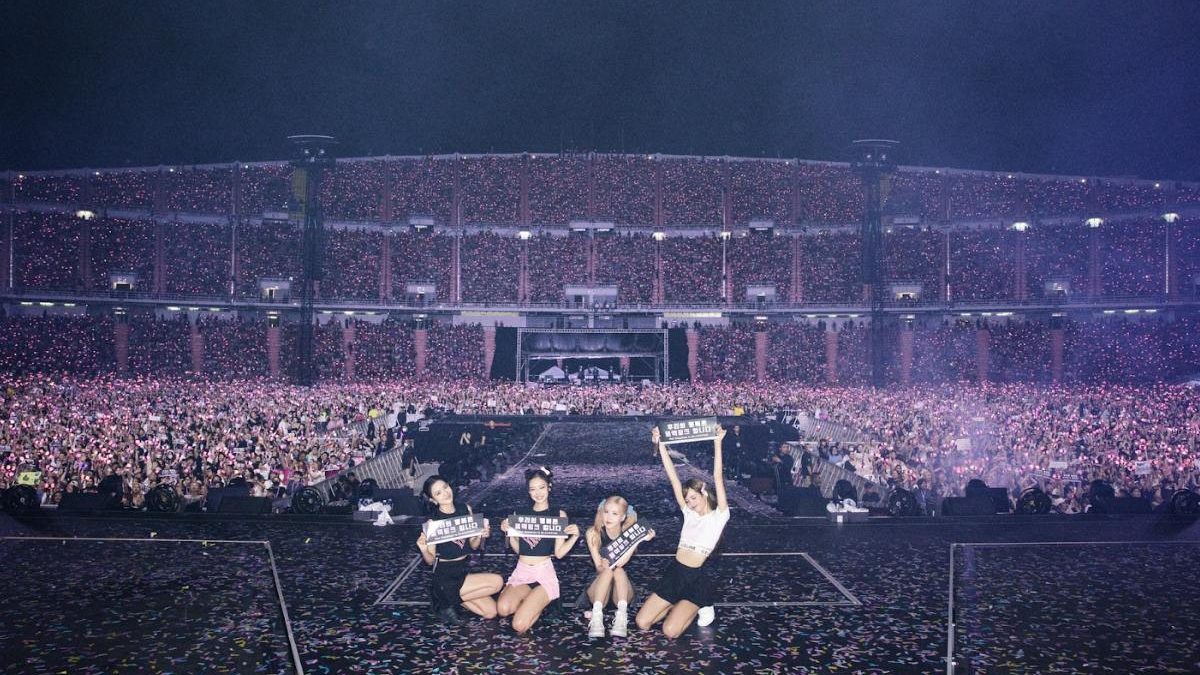
This contradiction sits at the heart of the recent incident. Southeast Asian fans did not object to Korean culture, nor did they target the artists themselves. Their objection was specific and grounded. They pointed out behaviour that violated local venue rules and disrupted the concert experience for those around them. The response they received, however, was disproportionate and revealing. Rather than being treated as stakeholders with a valid grievance, they were framed as ungrateful, uncultured, or overly sensitive.
This reaction reflects a deeper pattern of conditional inclusion. Southeast Asian fans are embraced enthusiastically when they consume quietly and enthusiastically. Their passion is used as proof of K pop’s global appeal. But when they speak up, when they assert that their comfort, rules, and local norms matter, they are reminded, implicitly or explicitly, of their place in the hierarchy.
In this structure, Southeast Asian fans are valued primarily for scale, not agency. They matter as numbers, but become inconvenient when they act as voices. This asymmetry reveals how race and regional power shape perception. Anger from certain groups is read as disorderly, while anger from others is normalised. Respect is extended selectively, filtered through assumptions about cultural superiority and legitimacy. These dynamics are not unique to fandom spaces. They mirror broader racial logics found in workplaces, media, and politics, where marginalised groups are expected to participate gratefully but quietly.
Socially Constructed Hierarchies Within Asia Which Shouldn’t Exist
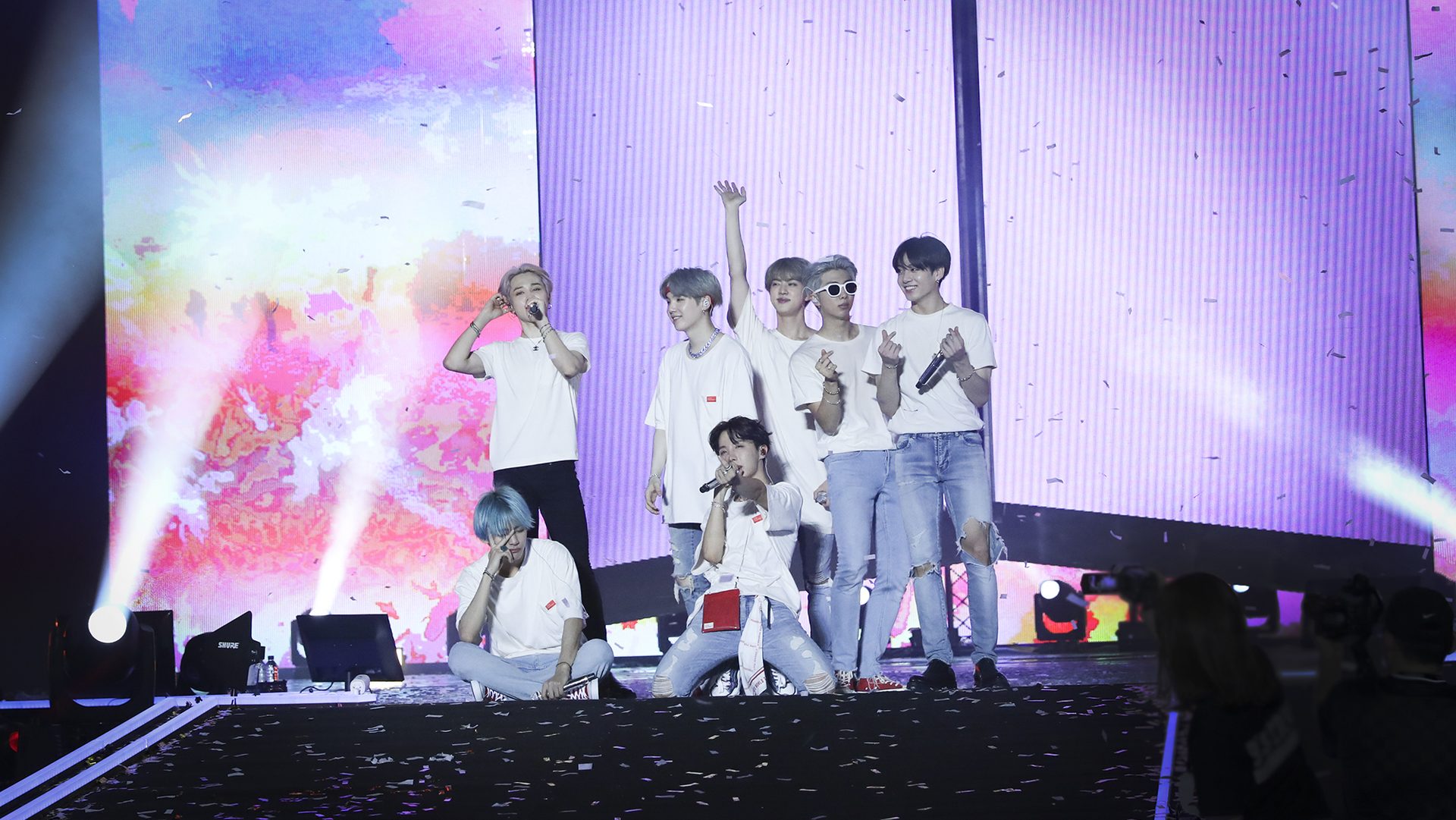
What makes this dynamic particularly striking is that it unfolds within Asia itself. K pop is often celebrated as an alternative to Western cultural dominance, a symbol of Asian soft power on the global stage. Yet its globalisation has reproduced internal hierarchies that privilege certain Asian identities over others. Shared geography and shared racial categorisation do not eliminate inequality. Instead, they can obscure it.
In global fandom discourse, norms are often treated as universal when they originate from Korea. Fansite culture, behavioural expectations, and informal hierarchies are exported outward and treated as default. Local rules and local contexts, particularly in Southeast Asia, are expected to adapt. When Southeast Asian fans resist this imbalance, their resistance is not read as reasonable disagreement, but as cultural deficiency or disrespect.
Refusing to Be Disposable
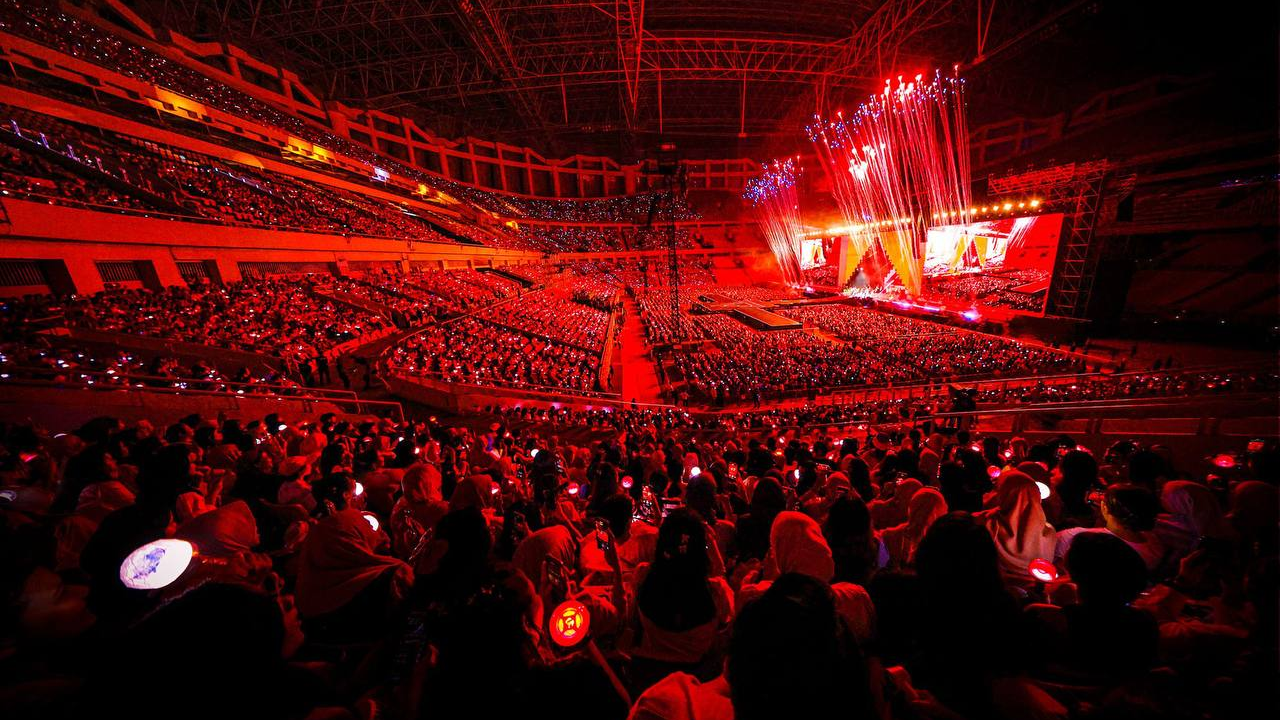
This is why Southeast Asian fans repeatedly emphasise their role in K pop’s rise. This insistence is often mischaracterised as entitlement or resentment. In reality, it is a demand for recognition and parity. It is a refusal to be treated as a disposable market whose value ends once tickets are sold and streams are counted.
To demand equality is not to deny cultural origins. It is to reject a system where some audiences are allowed to define norms, while others are expected only to comply. The idea that Southeast Asian fans should remain grateful recipients rather than equal participants reveals an underlying assumption that cultural ownership grants permanent authority, even in global spaces shaped by multiple contributors.
When Global Does Not Mean Equal
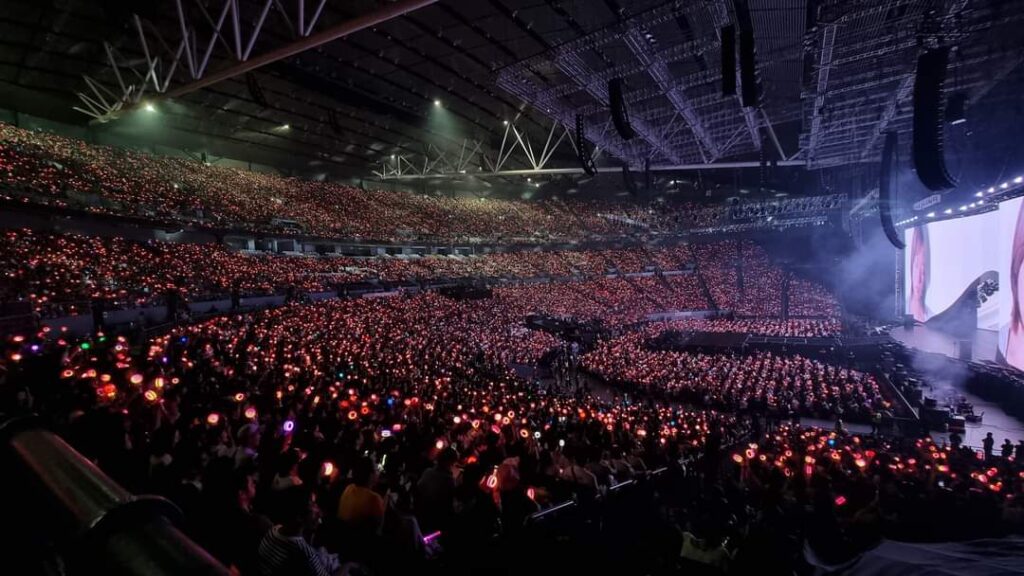
This incident matters not because it involves idols, cameras, or fan behaviour. It matters because it exposes a quiet but persistent belief embedded in global pop culture, that some audiences exist to consume, while others exist to decide. Until this belief is confronted, similar conflicts will continue to surface, framed as misunderstandings but rooted in unequal power.
If K pop is truly global, then respect cannot be selective. Equality cannot stop at consumption.
 The Indigenous Narrative