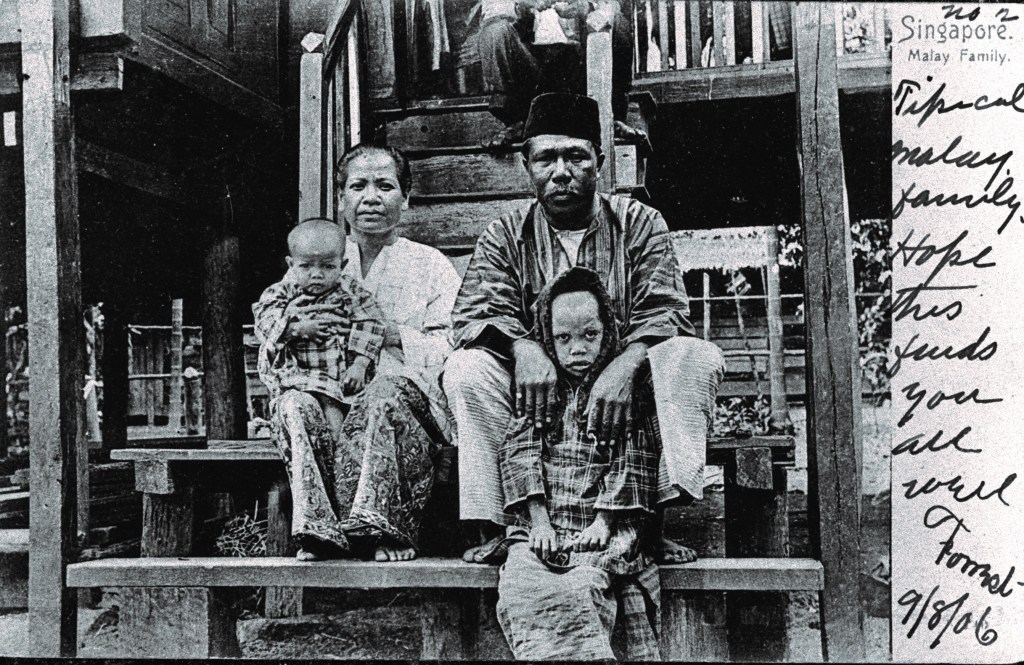
The Malays Did Not Migrate Here
It is a question asked casually, sometimes innocently, sometimes pointedly.
“The Chinese came from China. The Indians came from India. So where did the Malays come from?”
On the surface, it sounds logical. Neat. Balanced.
But the question itself is built on a false frame. One that only works if modern borders, colonial categories, and nation states are treated as timeless truths.
For the indigenous peoples of the Malay world, they are not.
The Problem With the “All Migrants” Narrative
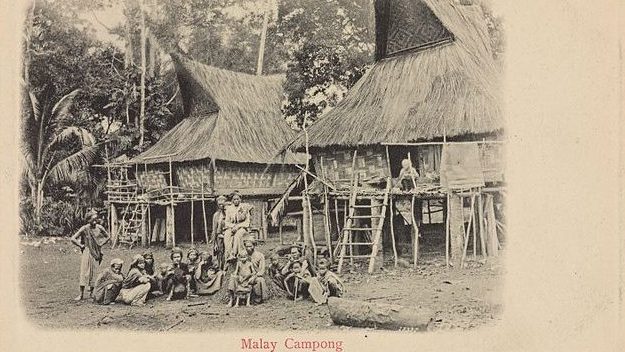
In places like Singapore, a dominant narrative has taken hold. We are all migrants.
It is often presented as inclusive and progressive. But inclusion built on historical flattening is not neutrality. It is erasure.
To say everyone is a migrant ignores a basic distinction. Some communities arrived in the region from elsewhere. Others emerged within it, lived across it, and moved freely inside it long before borders, passports, or immigration categories existed.
The Malays did not arrive in the Malay world the way colonial powers did. There was no moment of entry. No homeland left behind on another continent. No external civilisational centre to return to.
The Malay world was the homeland.
A Region Before It Was Divided
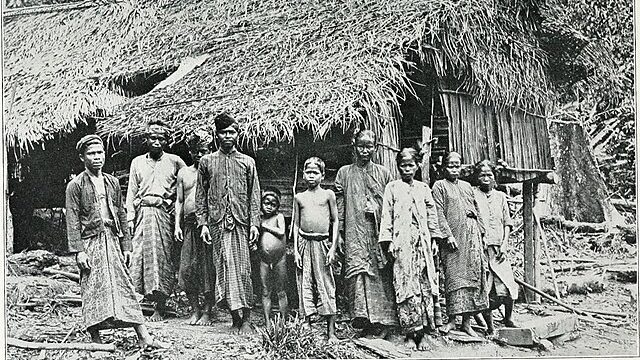
Long before Malaysia, Indonesia, Singapore, or Thailand existed, there was a shared civilisational space across the peninsula and archipelago.
People moved across rivers, coasts, and seas. They traded, intermarried, formed alliances, and settled where life made sense. Language, customs, and identity overlapped naturally.
A family in Johor could have kin in Riau. A community in Singapore could trace ties to Sumatra. A lineage in the peninsula could stretch into Java or southern Thailand.
This was not migration in the modern sense.
It was life within a continuous indigenous region.
Colonial borders later cut through this living world and retroactively turned indigenous movement into cross border migration. But administrative lines do not rewrite history.
Indigenous Does Not Mean Static
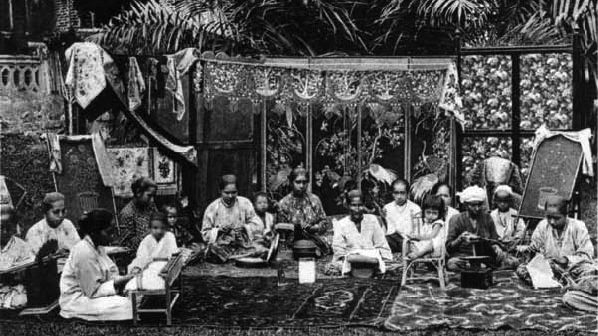
There is a persistent myth that indigenous peoples must be fixed in place to be considered indigenous.
That idea comes from outside.
Indigenous societies of the Malay world were mobile, maritime, and deeply connected. Rivers were highways. Seas were connectors, not barriers.
Movement was not a break from indigeneity. It was an expression of it.
So when someone in Singapore says they are Malay and Javanese, or someone in Malaysia traces ancestry to Bugis, Minangkabau, or Acehnese communities, this does not disqualify them from being indigenous.
It confirms it.
These are all indigenous communities to the region, shaped by centuries of interaction, intermarriage, and shared history.
A False Comparison
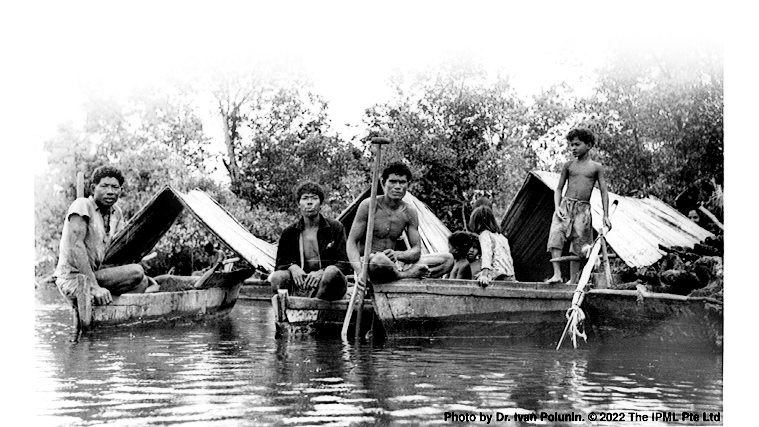
The question “Where did the Malays come from?” is often posed as a mirror to other communities.
The Chinese came from China. The Indians came from India. So the Malays must have come from somewhere else.
This comparison collapses under scrutiny.
Chinese and Indian communities have long and meaningful histories in Southeast Asia. But their civilisational origins lie outside the region, and their presence is tied to identifiable historical movements across continents.
The Malay identity, by contrast, formed within Southeast Asia itself.
There is no external homeland called Malayland. No distant point of origin outside the region.
To ask where the Malays came from assumes they must have come from elsewhere.
That assumption is the mistake.
Borders Came Later

The idea that Malays in Singapore are less indigenous because Singapore is a modern state misunderstands both history and indigeneity.
Singapore did not begin in 1819.
It was part of the same indigenous world as Johor, Riau, and the wider peninsula long before colonial administration arrived. Kampungs existed. Lineages existed. Sacred spaces existed.
Colonialism did not create indigeneity. It interrupted it.
When modern states treat colonial borders as the primary marker of belonging, they inherit colonial logic and continue it.
Identity Has Always Been Layered
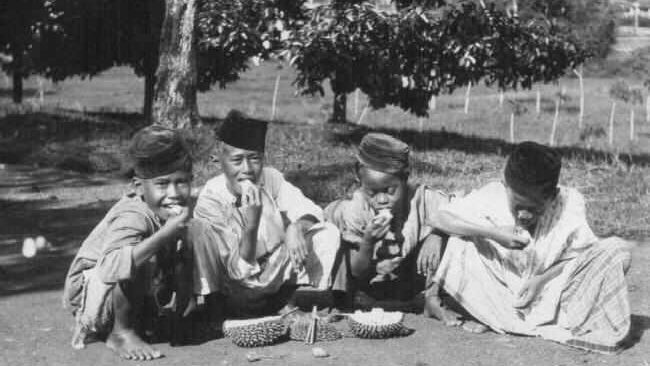
There was never a single, pure, static Malay identity.
It was always layered.
Malay and Javanese. Malay and Bugis. Malay and Minangkabau.
These are not contradictions. They are historical realities.
Indigenous cultures grow through contact, not isolation. Through exchange, not purity.
To demand singular origin stories is not indigenous thinking. It is a modern obsession imposed after the fact.
Reclaiming the Truth
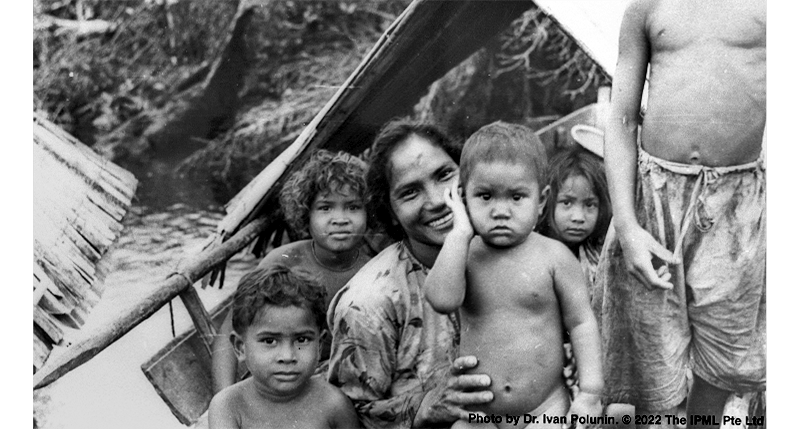
So when the question is asked again, where did the Malays migrate from, the answer is simple.
They did not.
They are indigenous to this region. Their histories stretch across what are now multiple countries because those countries came later.
The Malay world existed before the map.
And no narrative, however convenient, can change that.
 The Indigenous Narrative