
The Normalisation of Stereotypes
Malay stereotypes have existed for so long that they have begun to feel ordinary. Words such as lazy, backward, overly sensitive, or kampung-minded are repeated so casually that they are often disguised as jokes. They are softened with laughter and dismissed as harmless humour. At times, even Malays repeat these stereotypes about ourselves, believing that self-deprecation is maturity or that laughing along is a form of resilience.
But humour does not erase harm, and repetition does not turn falsehoods into truth.
Where These Stereotypes Come From
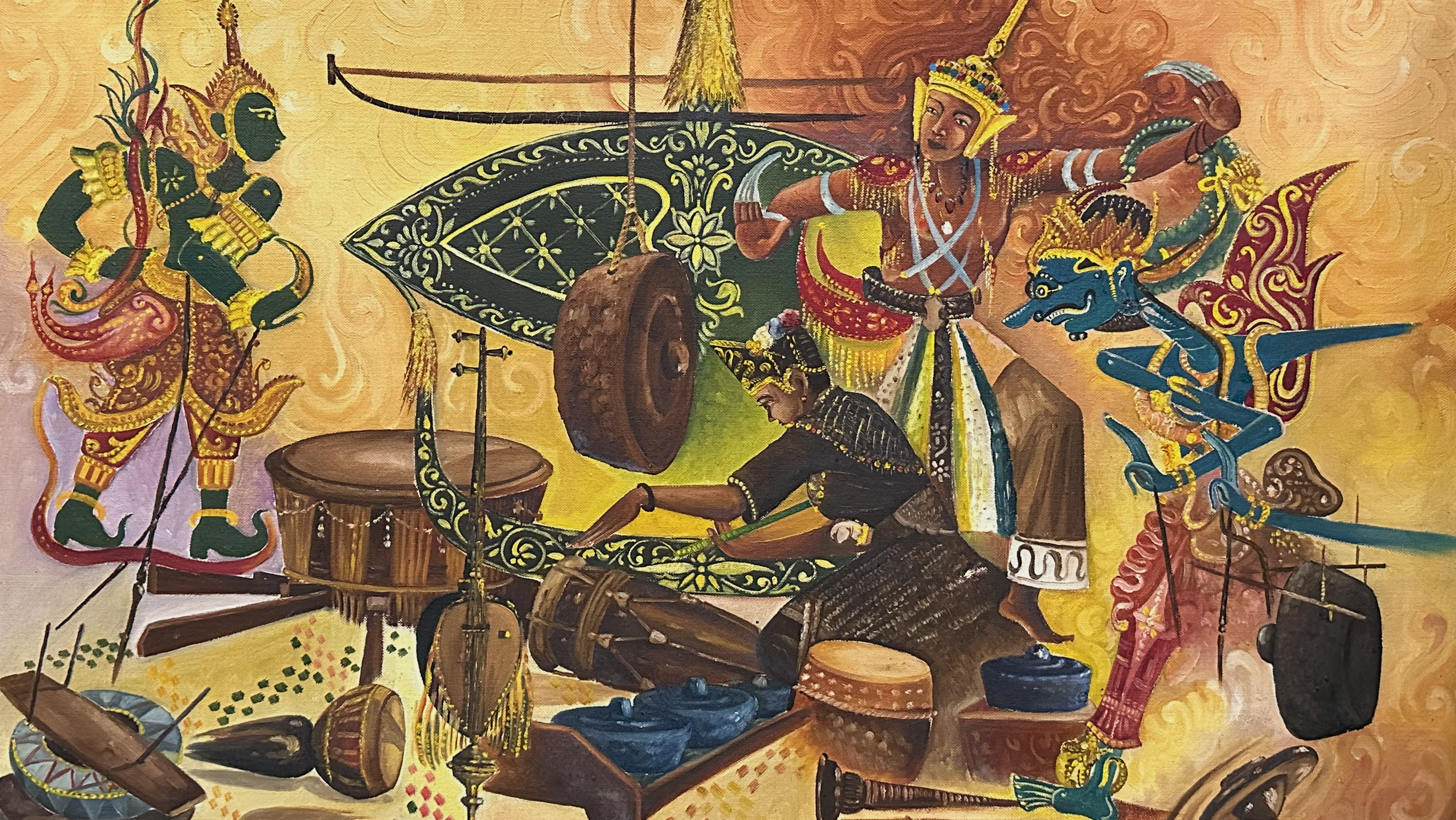
Many of the stereotypes attached to Malays were not formed naturally. They were constructed through colonial narratives, economic restructuring, and systems of power that benefited from portraying indigenous people as inferior. Labeling Malays as lazy once justified land dispossession and economic exclusion. Calling Malays backward framed modernity as something that had to be imported rather than something that already existed in indigenous forms. Describing Malays as too emotional made it easier to dismiss legitimate anger when dignity, culture, or faith were disrespected.
These ideas survived because they were useful. Over time, they were repackaged as humour, memes, and casual commentary, but their function remained the same. They reduced complex human communities into simplistic caricatures.
Disproving the Stereotypes Is Not the Goal

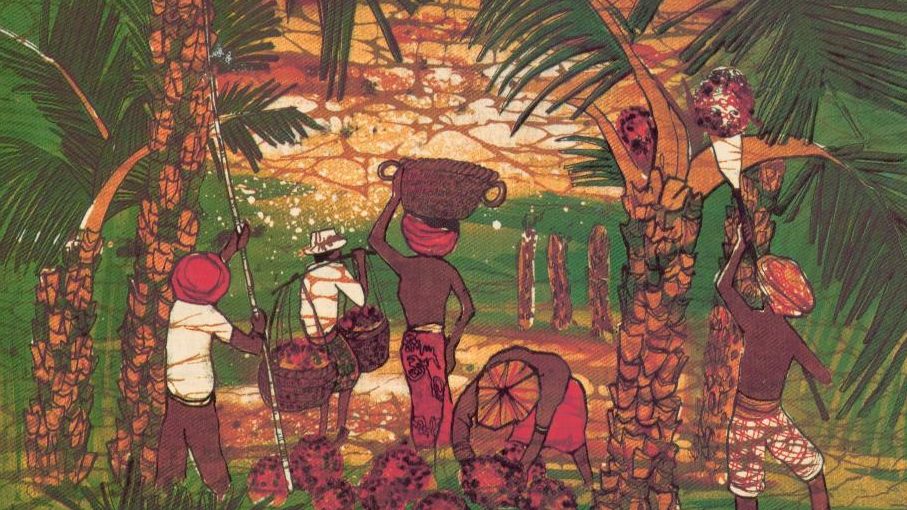
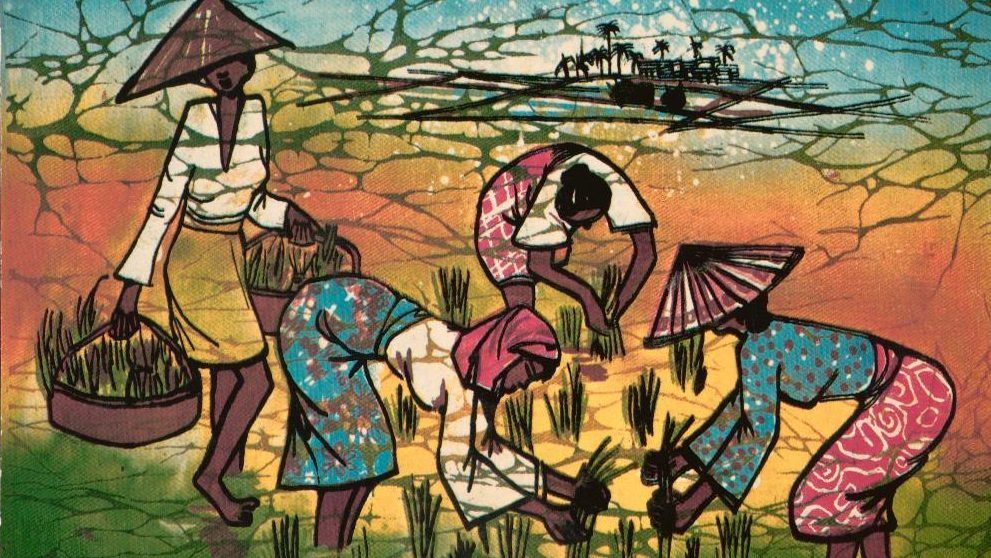
The goal should not be to constantly disprove these stereotypes. Malays do not need to prove that they are hardworking, intelligent, capable, or relevant. Malay farmers, professionals, artists, scholars, caregivers, and workers already disprove these claims daily through their lives and contributions. Malay history itself, filled with governance systems, maritime knowledge, adat, philosophy, and survival through upheaval, already contradicts these narratives.
Constantly trying to prove stereotypes wrong places Malays in a defensive position. It keeps identity shaped by reaction rather than self-definition. The more powerful shift is not about external validation but internal clarity.
From Humour to Awareness
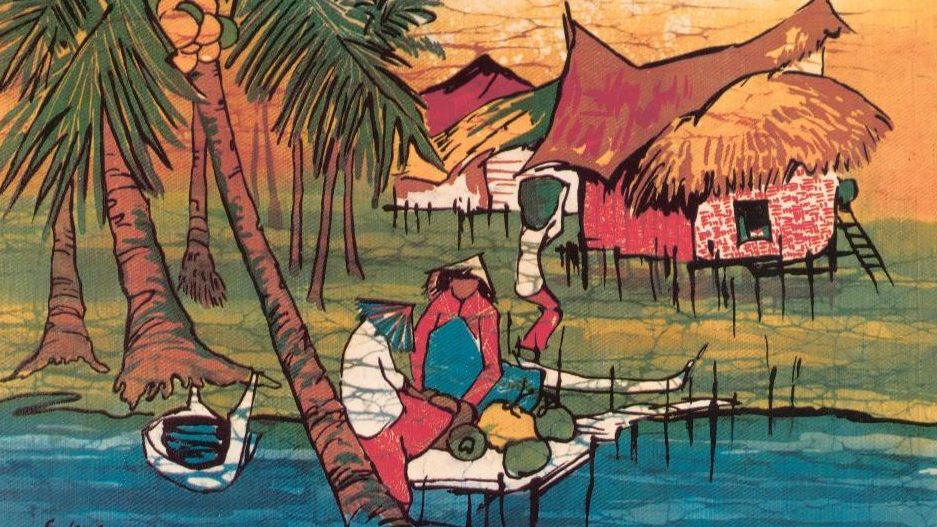
Stereotypes are often passed off as humour, especially within the community. Humour can be a coping mechanism, but there is a difference between laughing with awareness and laughing while internalising contempt. When stereotypes become normalised jokes, they slowly shape expectations, limit confidence, and create a quiet acceptance of the idea that this is simply how Malays are.
The danger is not being offended. The danger is being conditioned. Humour should sharpen awareness, not dull it. If stereotypes are joked about, they should lead to reflection rather than acceptance. Without awareness, humour becomes a tool that reinforces the very narratives that have historically diminished the community.
Pride Is Not Arrogance
One of the most damaging ideas Malays have absorbed is the belief that confidence is the same as arrogance. This belief keeps people small, silent, and apologetic for their own existence. Arrogance comes from insecurity and the need to dominate. Pride comes from self-respect and understanding one’s roots.
Having pride in being Malay, in language, values, adaptability, and dignity, is not superiority. It is grounded identity. It is knowing who you are without needing to belittle others or seek approval. A community without pride is easy to shame. A community without honour is easy to control.
Knowing, Not Proving
What is needed is a shift in mindset. Instead of saying, let me show you that I am not like that, the posture should be, I already know who I am. When Malays truly know that they are not lazy, not backward, and not lesser, stereotypes lose their power. They become background noise rather than identity.
This knowledge does not require arrogance. It requires self-awareness and historical memory. Malays are not defined by colonial descriptions, political rhetoric, or viral jokes. They are defined by continuity, resilience, adaptation, and values that prioritise balance, community, and dignity in a world that often rewards excess and domination.
Moving Forward With Honour
Breaking Malay stereotypes is not about winning debates or demanding constant validation. It is about refusing to internalise contempt, about raising future generations with confidence rather than defensiveness, and about reclaiming honour without hostility.
Stereotypes may continue to exist. Jokes may still circulate. But they do not have to live within us. And when they no longer live within us, they lose their power.
 The Indigenous Narrative