
In Southeast Asia, silence is often mistaken for harmony.
We are taught that keeping quiet preserves social cohesion, that raising difficult truths risks destabilising multicultural societies, and that speaking too plainly about history or power makes one divisive. In countries like Singapore, Malaysia, and Indonesia, silence is frequently framed as the price of peace.
But silence has never been neutral. In this region, it has consistently worked to the advantage of those already empowered, while leaving indigenous voices unheard.
We started The Indigenous Narrative with the aim of retelling, resharing, and celebrating the stories of the indigenous peoples of Southeast Asia through an indigenous lens. Since then, we have shared stories on history and social issues, guided by a core principle: that there is pride in being indigenous, and there is nothing wrong with acknowledging it openly and unapologetically.

Yet across Southeast Asia, indigenous people are often made to feel that asserting their identity is impolite, dangerous, or somehow racist.
This fear did not emerge organically. It is rooted in the region’s colonial and migration history.
Indigeneity and Migration in Southeast Asia
Southeast Asia is not new to migration. Chinese and Indian communities have lived in the region for centuries. But history matters. Chinese and Indian populations across Southeast Asia are descended from migrants, many of whom arrived during precolonial trade periods and later in large numbers under European colonial rule as labourers, traders, and administrators.

Acknowledging this historical reality is not an attack on citizenship or belonging. It is a factual distinction between indigenous peoples, who are native to the land, and communities formed through migration, even long-settled ones.
In Malaysia and Indonesia, the Javanese, Minangkabau, Dayak, Orang Asli, Bugis, and countless other indigenous groups predate colonial borders by centuries. In Singapore, Malays are recognised constitutionally as the indigenous people of the land. Yet across the region, indigenous identity is often treated as just another ethnic category, stripped of its foundational status.
When indigeneity is flattened, indigenous people are told implicitly that they should not speak too loudly about history, land, or cultural precedence, because doing so might make othersuncomfortable.
When Silence Becomes a Requirement

Across Southeast Asia, indigenous people are expected to be careful with their words.
In Singapore, Malays are frequently reminded to be “sensitive” when discussing marginalisation, representation, or historical displacement. In Malaysia, indigenous and bumiputera discussions are often reduced to accusations of entitlement rather than framed within historical dispossession. In Indonesia, many indigenous communities continue to struggle for recognition of customary land rights, while being told that economic development requires sacrifice.
In each case, the message is similar: speak, but only within acceptable limits. Speak, but do not disrupt. Speak, but do not challenge the dominant narrative of progress and harmony.
But it is not racist to share what we observe. It is not racist to describe what we see or to retell our lived experiences. And it is not racist for indigenous peoples to demand greater respect, recognition, and equity, or to believe that things should change.
Wanting dignity is not prejudice. It is agency.
The Cost of Silence

Silence allows historical distortions to settle into fact.
It allows indigenous cultures to be aestheticised while indigenous people themselves are sidelined. It allows migrant-descended communities to be framed as culturally neutral or default, while indigenous identity is portrayed as political or inconvenient. Over time, silence turns imbalance into normalcy.
In Southeast Asia, indigenous histories are often taught as prefaces, while migrant histories are framed as drivers of modernity. Indigenous culture becomes heritage. Migrant success becomes progress.
This imbalance persists because too many indigenous voices have been pressured into quiet acceptance.
Speaking From, Not Being Spoken About

For too long, indigenous perspectives in Southeast Asia have been spoken about rather than spoken from. Our histories are summarised. Our cultures are curated. Our struggles are filtered through non-indigenous lenses.
The Indigenous Narrative exists to create space for perspectives, stories, and experiences that many are too afraid to share publicly, whether due to fear of backlash, professional consequences, or social stigma. Not because these stories are extreme, but because honesty has been made to feel dangerous.
This space is not about exclusion. It is about correction. It is about restoring balance in conversations where indigeneity has been diluted in the name of comfort.
Voicing out does not mean rejecting coexistence. It means refusing erasure. It means asserting that indigenous people are not just participants in Southeast Asia’s story, but its foundation.
Why Voicing Out Matters Now
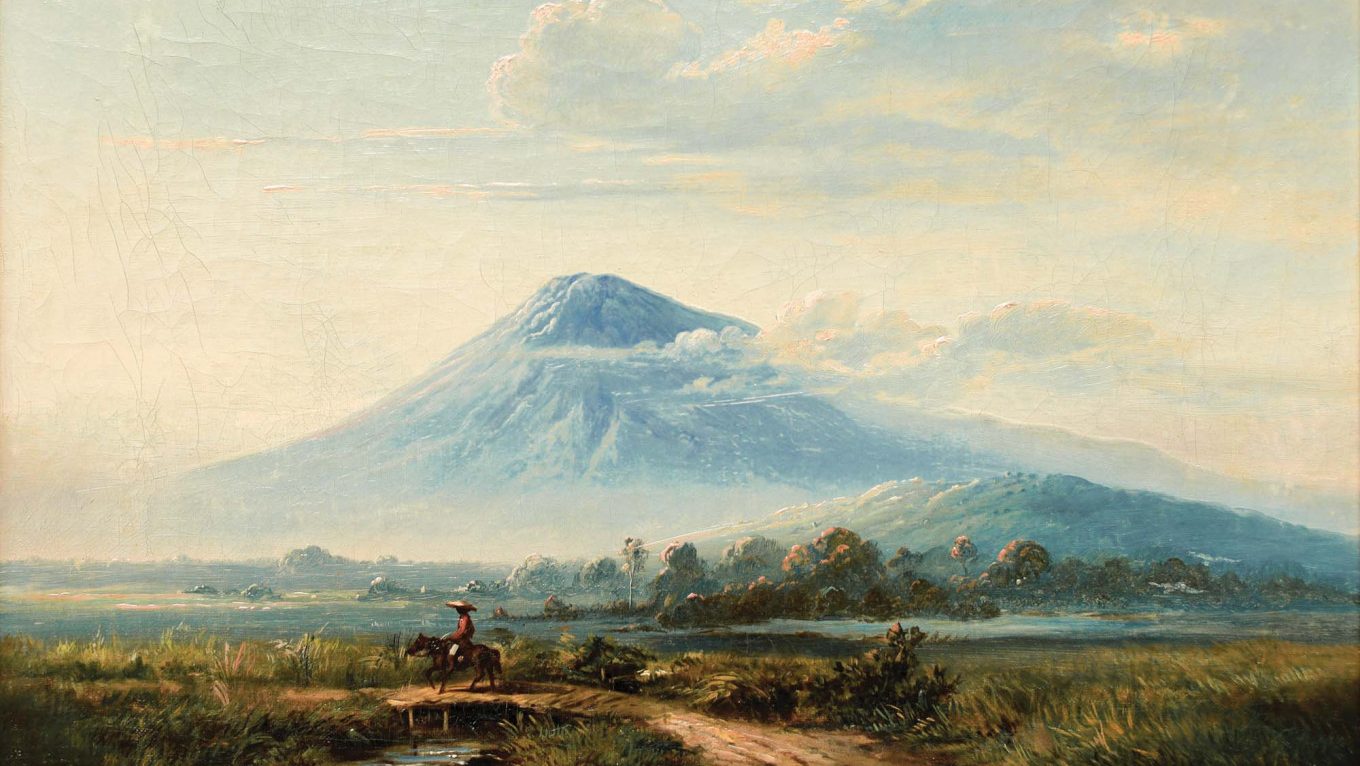
Southeast Asia is at a crossroads. As societies grow more diverse and economically driven, indigenous identities are increasingly treated as symbolic rather than substantive. When indigenous people remain silent, decisions about culture, land, language, and representation are made without them.
History shows us that progress has never come from silence. It comes from those who speak clearly, firmly, and with dignity, even when it unsettles the status quo.
To speak as indigenous people, from an indigenous lens, is not an act of division. It is an act of truth.
And truth, once spoken, does not ask for permission.
 The Indigenous Narrative