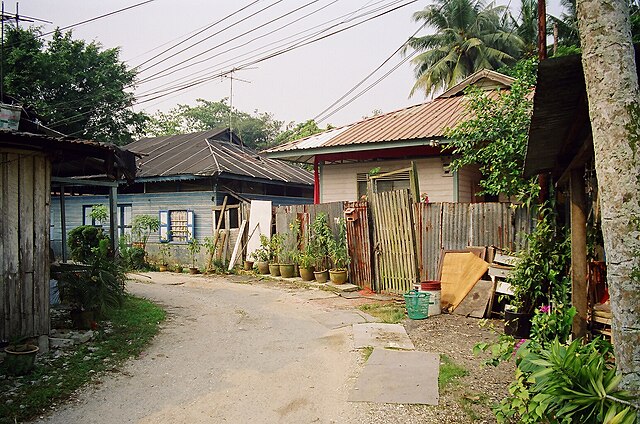
Singapore frequently calls for a revival of the kampong spirit. Political speeches, national campaigns, and school values programmes describe it as neighbourliness, mutual care, and shared responsibility. The term is treated as a moral ideal that modern society must rediscover.
What is rarely acknowledged is a more uncomfortable truth. Kampong spirit did not disappear on its own. It was weakened and ultimately dismantled by deliberate policy choices. Chief among them were land acquisition, kampong clearance, and later housing policies that prioritised control and planning over organic community life.
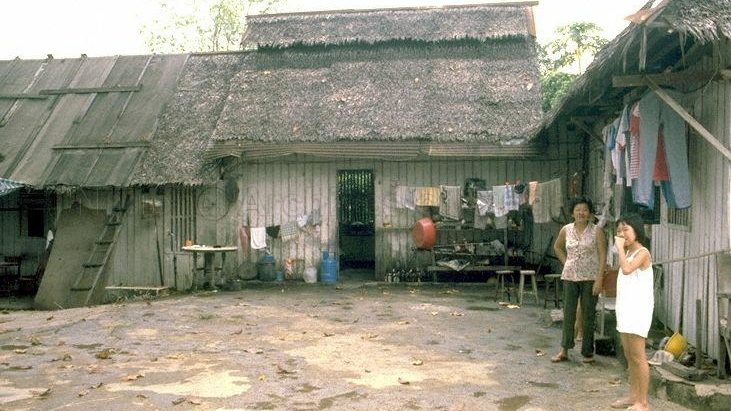
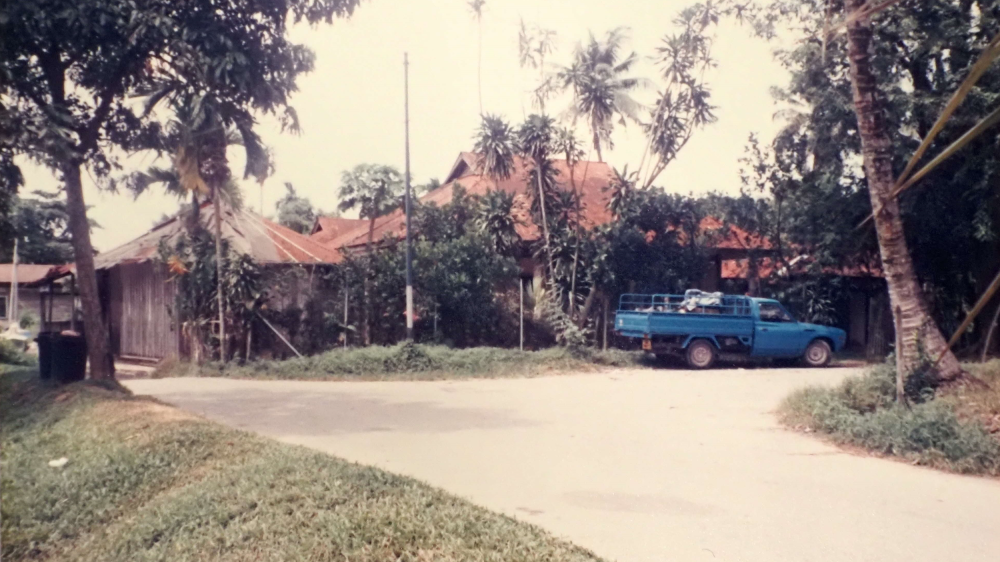
Kampong spirit was not an abstract value. It was a lived social system shaped by space, routine, and dependence. Kampongs were horizontal communities. Homes opened into shared spaces. Daily life required cooperation. Children moved freely between houses. Food, tools, and labour were shared without formal arrangements. Elders were visible, respected, and embedded in everyday life.
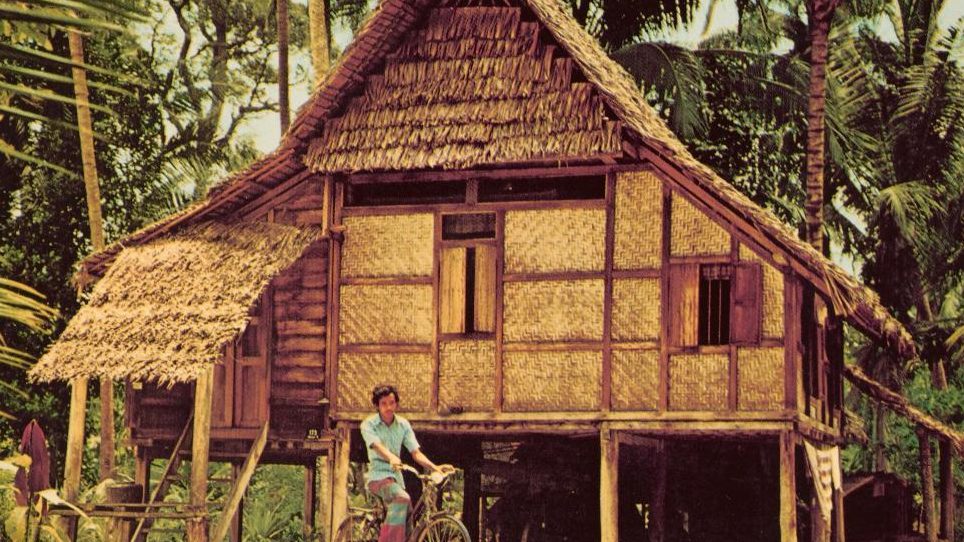
The book Kampong, Fire, Nation: Towards a Social History of Postwar Singapore documents how kampong communities functioned through trust rather than rules. Social cohesion emerged naturally because people depended on one another to get through daily life. Responsibility flowed sideways, not upward.
This system did not collapse because Singaporeans became less caring. It collapsed because the physical and legal conditions that sustained it were removed.
Land Acquisition and the Clearing of Kampongs
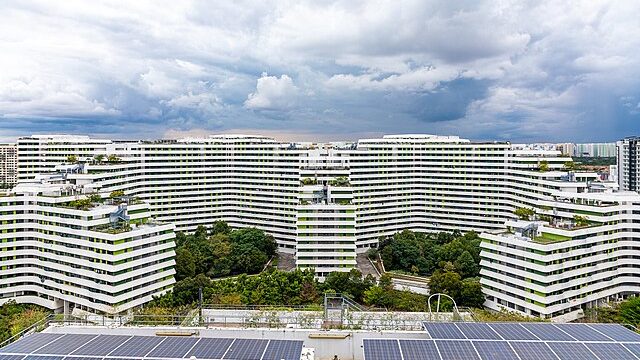
The decisive shift came with the Land Acquisition Act of 1966. The Act gave the state broad powers to compulsorily acquire private land for public purposes at below market value. The policy analysis Singapore’s Economic Prosperity Through Land Acquisition explains that this law allowed the government to rapidly consolidate land ownership and push through redevelopment without prolonged resistance.
Kampongs were among the primary targets. Many were labelled as unhygienic, inefficient, or incompatible with modern urban living. Once framed this way, their removal became a technical necessity rather than a social dilemma.
The study Emergency Kampong Clearance and the Making of Modern Singapore details how entire villages were cleared and residents resettled into public housing with little room for negotiation. Speed and scale were prioritised. Social continuity was not.
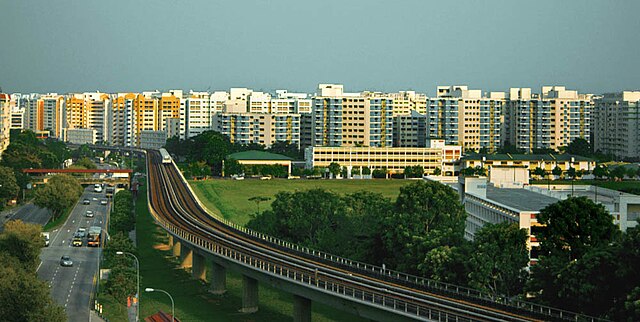
Another government commissioned publication, Resettling Communities: Creating Space for Nation Building, acknowledges that while housing quality improved, relocation fractured social networks and disrupted informal systems of mutual support. People received flats, but they lost neighbours, rhythms, and shared ways of living.
For Malay kampongs, the loss was especially deep. Village life was intertwined with adat, kinship, and religious practice. Homes were built near mosques, suraus, and burial grounds. Daily routines reinforced collective identity. When kampongs were cleared and families scattered across housing estates, these bonds weakened or disappeared entirely.
The near total disappearance of kampongs makes Kampong Lorong Buangkok a rare exception. It survived largely because of private ownership and delayed acquisition. Its survival underscores how little space remains for such communal living in modern Singapore.
The Loss of Kampong Spirit
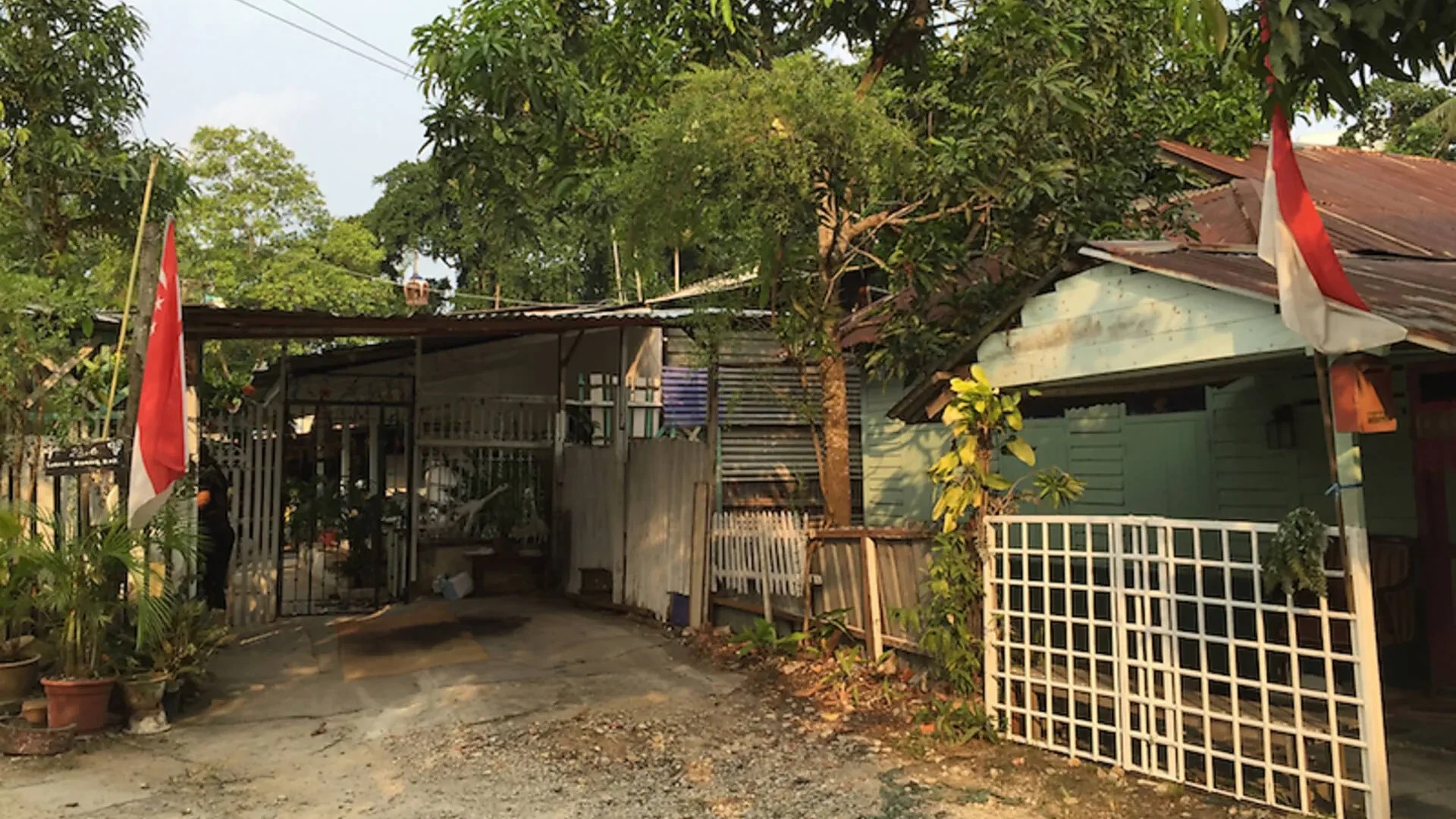
Beyond physical displacement, the most lasting damage was the loss of kampong spirit itself.
Kampong spirit depended on proximity and necessity. Neighbours interacted because they had to. Support systems were informal but reliable. When someone fell sick or struggled financially, the response came from next door, not from an institution.
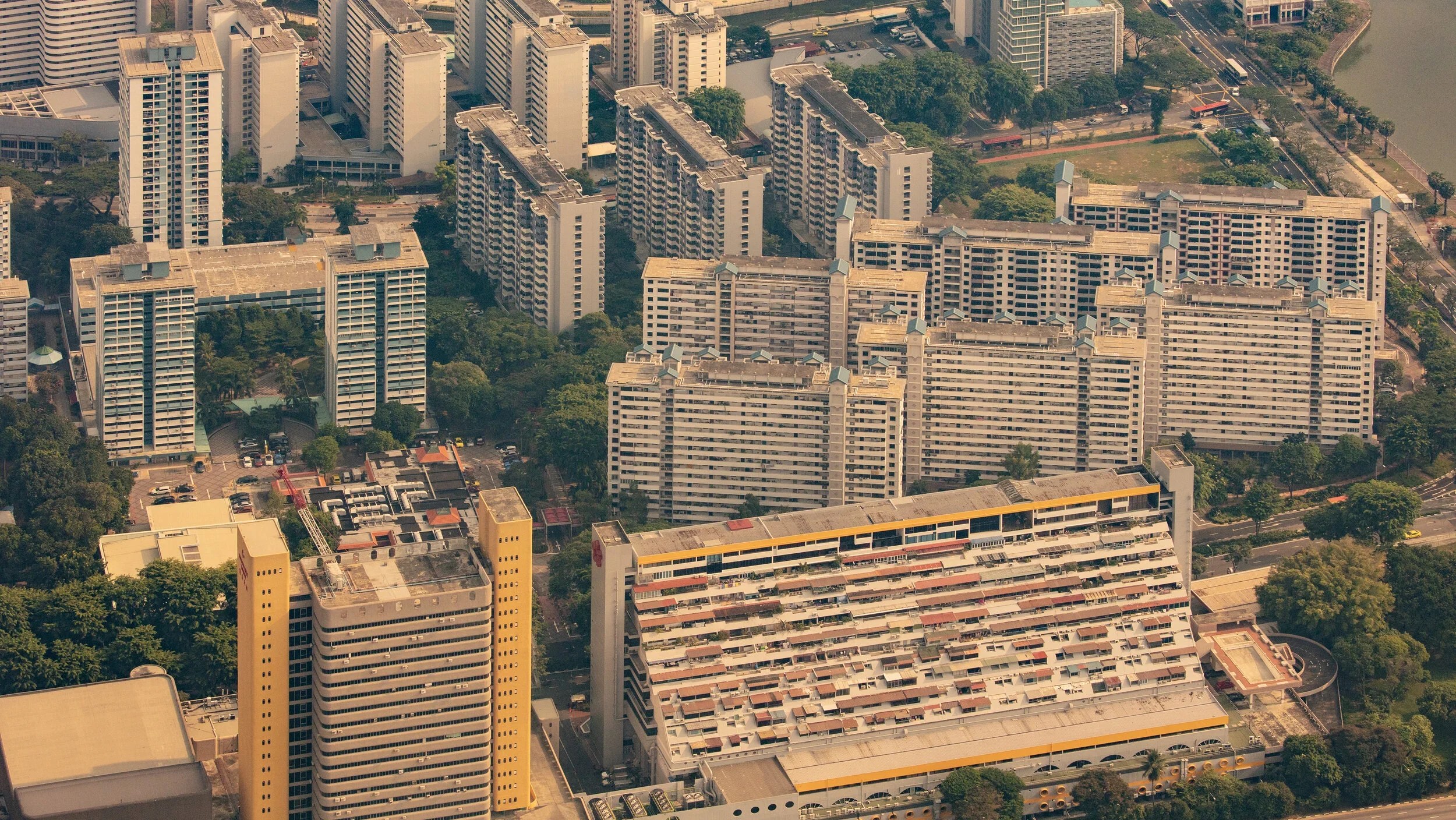
High rise public housing changed this fundamentally. Flats prioritised privacy, regulation, and order. Open yards disappeared. Vertical living reduced spontaneous interaction. Doors closed. Corridors replaced shared spaces.
Resettling Communities: Creating Space for Nation Building explicitly notes that informal welfare systems were replaced by formal state provision. Responsibility shifted from community to bureaucracy. Mutual dependence gave way to managed independence.
In later years, the state attempted to revive kampong spirit through campaigns and messaging. Yet this effort misunderstood the nature of what was lost. Kampong spirit was never something people consciously practised. It emerged naturally from shared space, shared labour, and shared vulnerability.
Once those conditions were removed, the spirit could not simply be willed back into existence.
How the Ethnic Integration Policy Further Hampers Kampong Spirit
The weakening of kampong spirit did not end with redevelopment. It is reinforced today by housing policies, particularly the Ethnic Integration Policy.
Introduced in 1989, the EIP imposes ethnic quotas on HDB blocks and neighbourhoods. The official gov.sg explainer titled HDB’s Ethnic Integration Policy: Why It Still Matters states that the aim is to prevent ethnic enclaves and preserve racial harmony.
While the intention is cohesion, the policy often undermines the very conditions needed for deep community bonds.
Kampong spirit relied on stability and long term presence. Families lived near one another for decades. Trust accumulated slowly through repeated interaction. The EIP introduces structural uncertainty, especially for minority communities.
Channel News Asia reported in Ethnic Integration Policy Appeals Rose in 2022 that when ethnic quotas are reached, minority homeowners can only sell their flats to buyers of the same race. This restriction reduces the pool of buyers and can delay sales or force lower prices. Movement becomes constrained rather than chosen.
Frequent turnover weakens neighbourhood ties. When residents cannot be confident they can remain in an area, long term relationships become harder to sustain. Kampong spirit requires permanence. The EIP disrupts it.
In parliamentary debate reported by Channel News Asia in Pritam Singh, Ministers Spar Over Whether the Ethnic Integration Policy Should Be Abolished, the Opposition Leader argued that the policy penalises minorities financially. Beyond economic impact, the social cost is clear. Communities shaped by quotas are managed rather than organic.
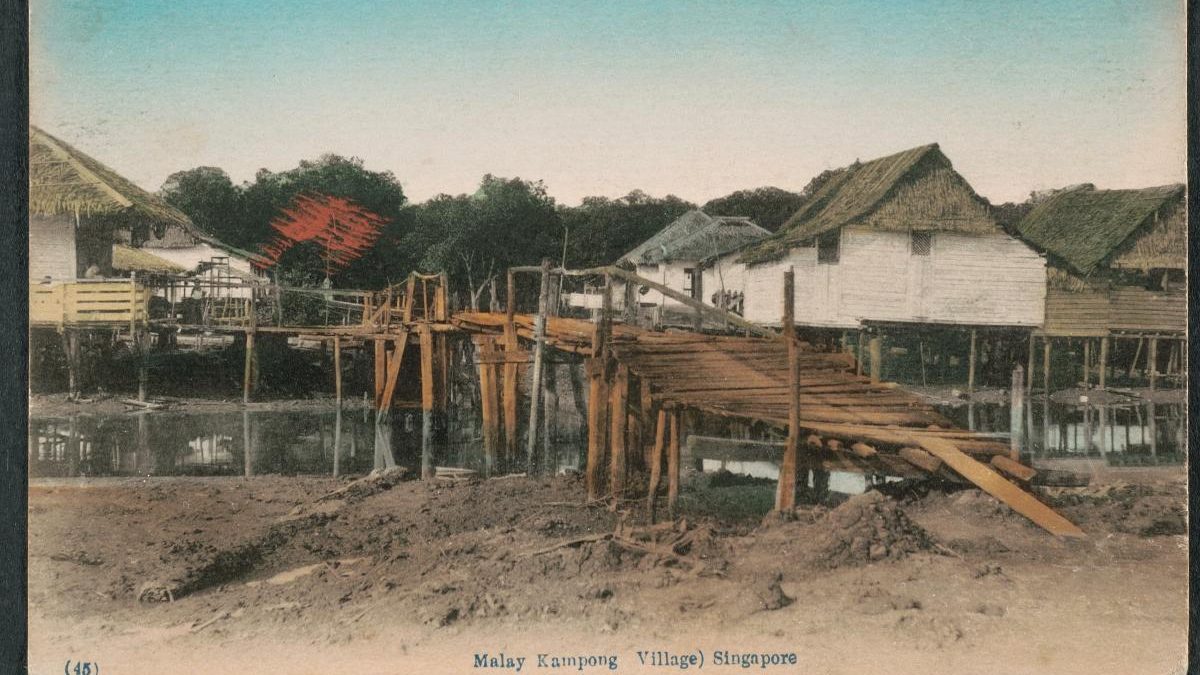
There is also a deeper contradiction. Kampong spirit historically flourished in ethnically homogeneous villages, particularly Malay kampongs, where shared language, customs, and religious practices reinforced mutual care. The EIP treats such clustering as a threat rather than a foundation for solidarity.
By prioritising demographic balance over continuity, the policy produces surface level diversity without deep trust. Proximity does not automatically lead to community. In many cases, it leads to polite distance.
In this sense, the EIP continues the logic of earlier land policies. Both assume that social outcomes can be engineered administratively. Both sacrifice organic community formation for order and control.
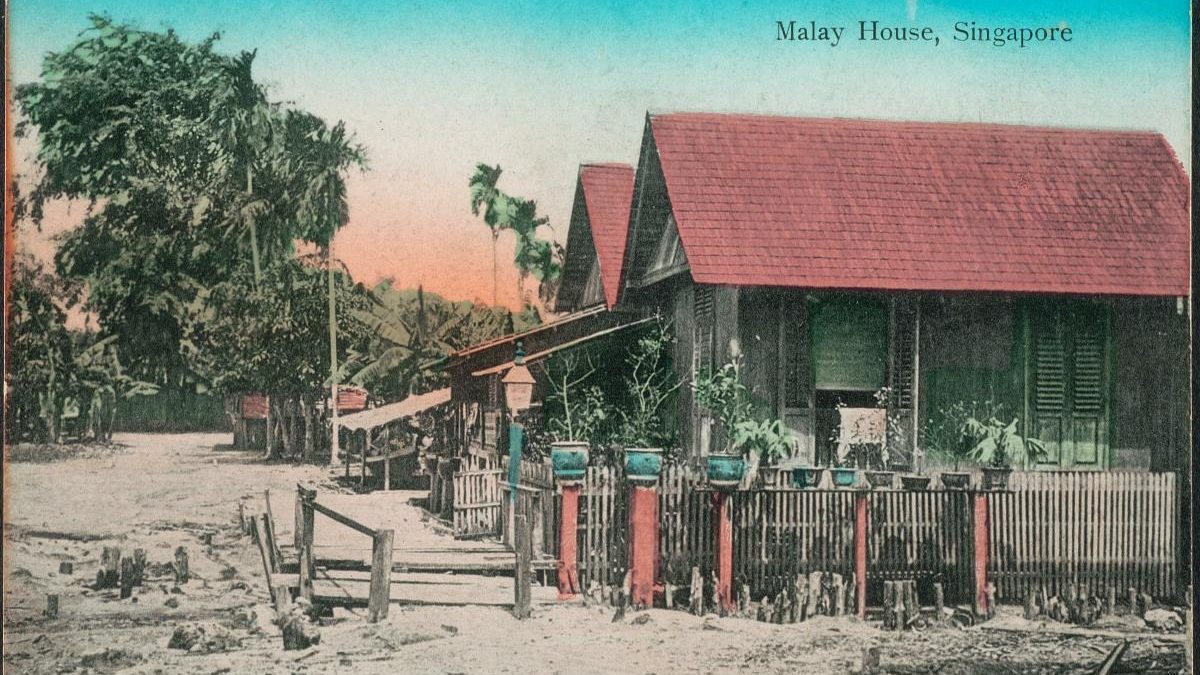
Kampong spirit did not vanish because Singapore modernised. It vanished because the environments that sustained it were dismantled.
Land acquisition and kampong clearance broke the physical foundations of communal life. High rise housing altered social behaviour. The Ethnic Integration Policy continues to constrain stability and organic bonding, particularly for minority communities.
Singapore’s development story is real and its achievements are substantial. But so are its losses. An honest conversation about community must go beyond nostalgia and slogans. It must confront how policy choices reshaped social life, and why kampong spirit cannot simply be summoned back once the conditions that created it have been removed.
 The Indigenous Narrative