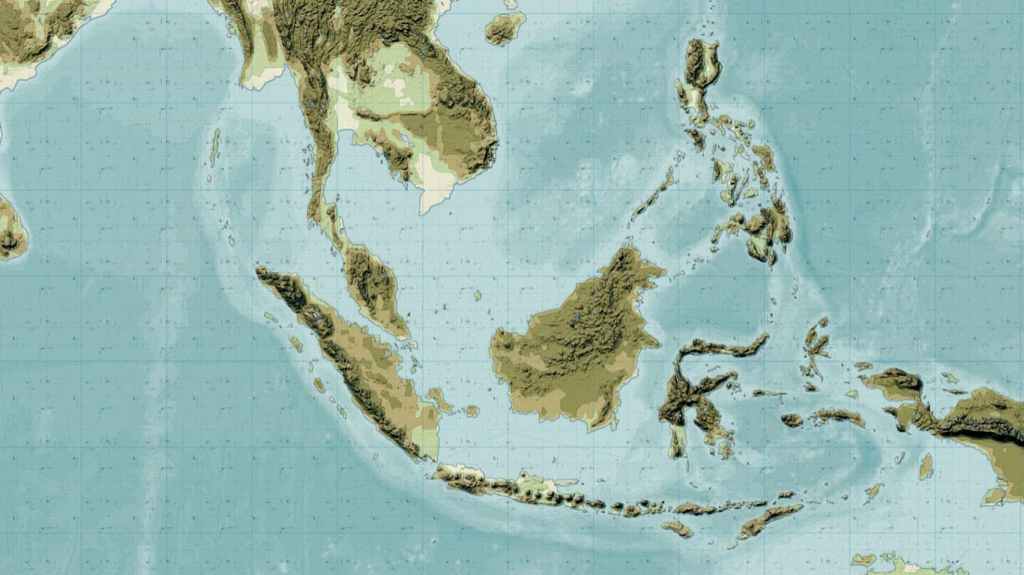
The slur “jungle Asian” is often brushed off as crude humour, a throwaway insult not worth engaging with. But language like this does not emerge accidentally. It exposes a hierarchy that has quietly taken hold within Asian communities themselves, one that elevates East Asians while positioning Southeast Asians as something less developed, less refined, less worthy of respect.
This hierarchy is reinforced by global pop culture. South Korea, in particular, has been placed on a cultural pedestal. Its music dominates global charts, its dramas shape international viewing habits, its films earn critical acclaim, and its celebrities are treated as symbols of a modern, aspirational Asia. None of this success is undeserved. But the way it has come to define “Asian excellence” has consequences. When one version of Asia is endlessly celebrated, others are implicitly framed as lacking.
Southeast Asia often becomes the contrast. Where East Asia is imagined as sleek and advanced, Southeast Asia is flattened into stereotypes of disorder, poverty, and backwardness. The term “jungle Asian” draws directly from this contrast. It is not just an insult. It is a way of saying, “You are not the right kind of Asian.”
This narrative persists despite an obvious truth: Southeast Asia is not perfect, but neither is anywhere else. There is crime. There is poverty. There is inequality and corruption, and much room for improvement. But go anywhere in the world determined to catalogue its failures, and you will succeed. New York has homelessness. Paris has deep social segregation. Seoul grapples with extreme academic pressure and mental health crises. No society is immune to contradiction.
To single out Southeast Asia’s flaws as proof of inferiority is not honest critique. It is selective judgment.
The term “jungle” does particular damage. It invokes an old colonial vocabulary that divides the world into the civilised and the primitive, the developed and the expendable. When East Asians repeat this language, consciously or otherwise, they reproduce the same logic once used by colonial powers to dominate the region. Economic success is mistaken for cultural superiority. Global visibility becomes a measure of human worth.
It is time to stop doing that.
Standing up for ourselves does not mean attacking East Asians or denying their achievements.
It means defending our dignity. It means refusing to laugh along when disrespect is disguised as humour, and refusing to internalise a ranking system that was never designed to include us as equals. Self respect is not aggression. Naming racism is not hostility.
And there is much to defend.
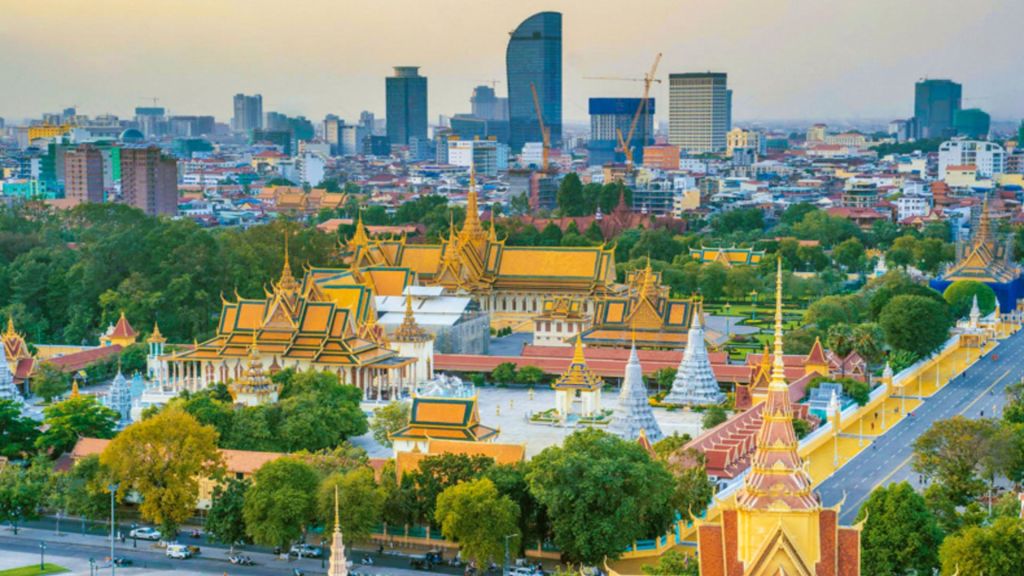
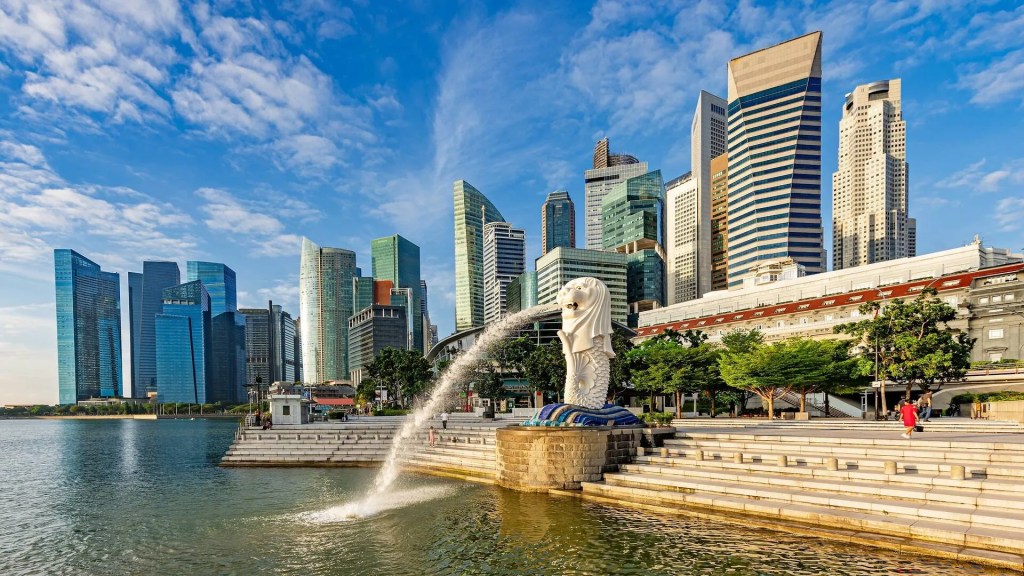
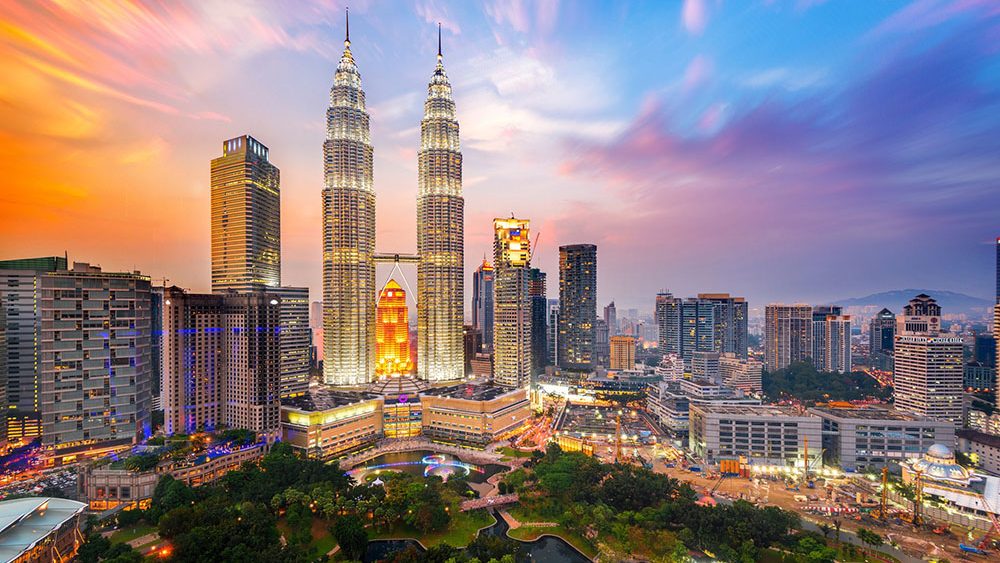
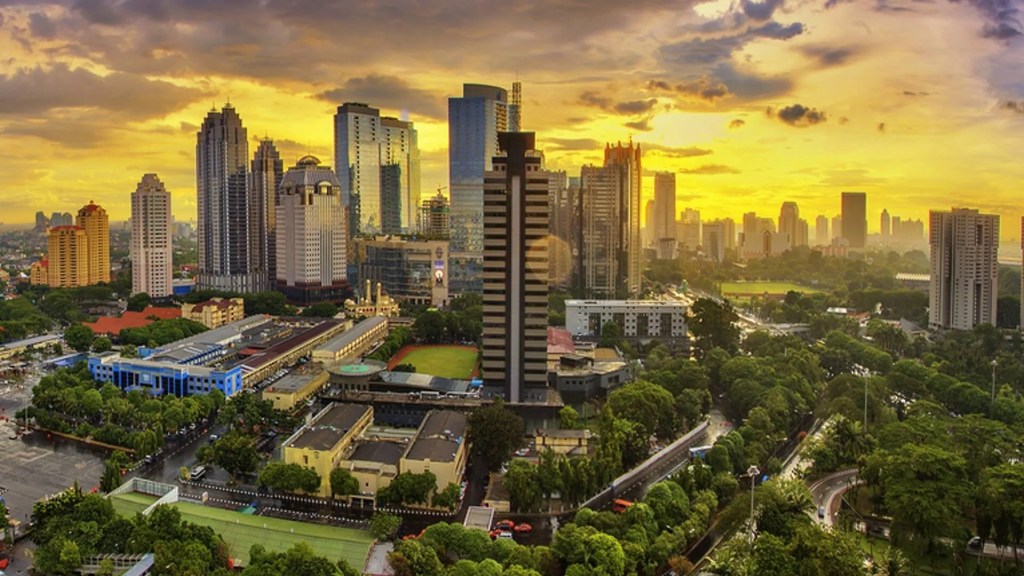
Southeast Asia is not a cultural footnote to East Asia’s rise. It is a region of extraordinary depth and diversity. Singapore’s multilingual, hyper-modern society exists alongside Thailand’s centuries-old artistic traditions. Malaysia’s layered blend of Malay, Chinese, Indian, and indigenous cultures reflects a long history of exchange and coexistence. Vietnam carries deep literary and philosophical traditions shaped by resilience and resistance. Cambodia’s Angkor civilisation stands as one of the great architectural and cultural achievements of the world. Indonesia, vast and archipelagic, contains hundreds of ethnic groups, languages, and belief systems that continue to shape art, music, and spirituality across the region.
To reduce all of this to the word “jungle” is not ignorance. It is erasure.
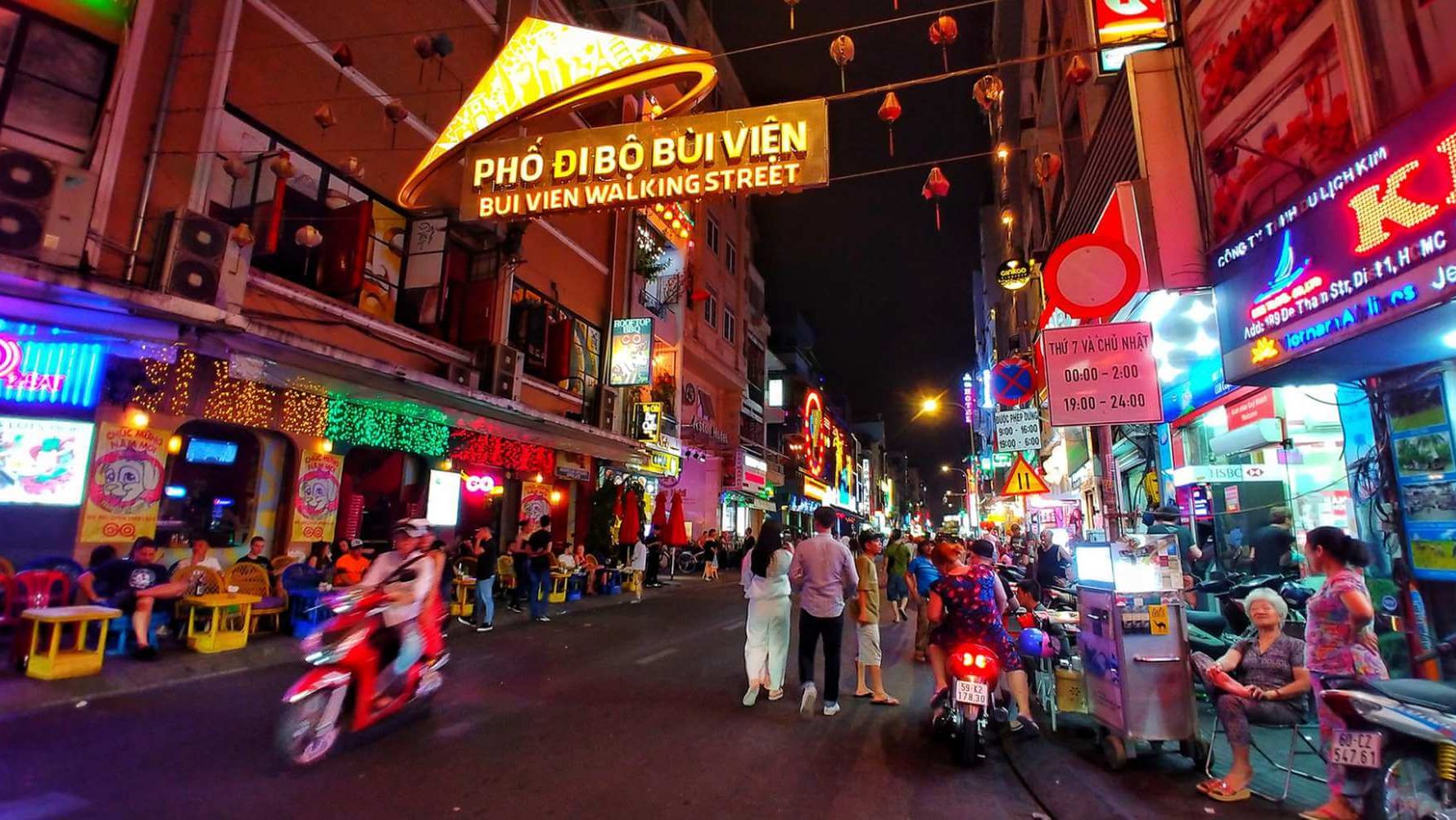
If conversations about racism are to be honest, they cannot stop at how Asians are treated by the West. They must also address how Asians treat one another. That means questioning why certain cultures are automatically associated with sophistication, while others are expected to justify their existence. It means recognising that internal hierarchies are still hierarchies, even when they are enforced by people who look like us.
Southeast Asia does not need to be flawless to deserve respect. Acknowledging our challenges does not require accepting contempt. We can confront crime, poverty, and inequality while still asserting the richness, complexity, and value of our societies.
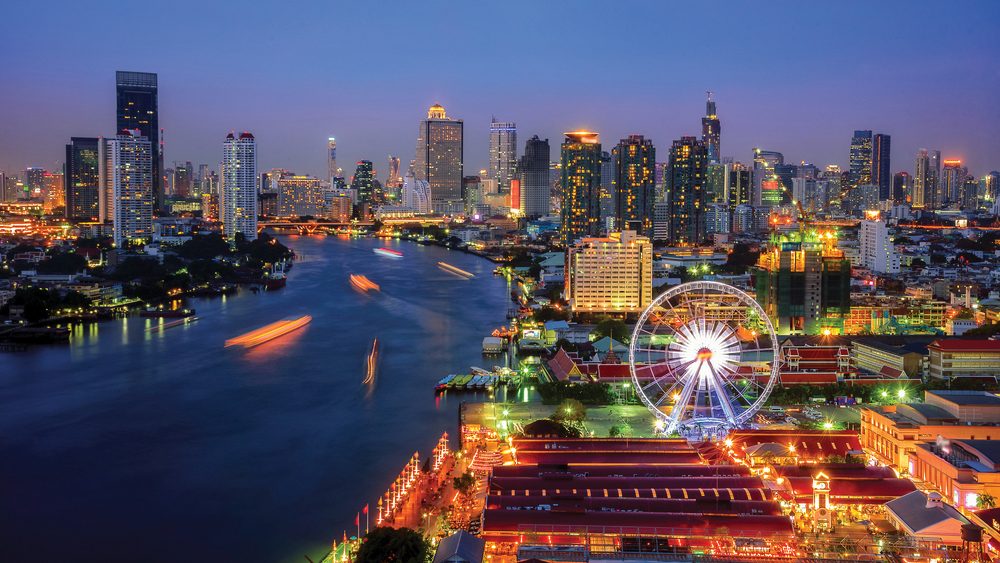
Dignity does not come from comparison. It comes from refusing to be defined solely by our deficits. And the sooner we stop internalising these inherited rankings, the sooner terms like “jungle Asian” lose their power, not because they are ignored, but because they are firmly, calmly, and unapologetically rejected.
 The Indigenous Narrative