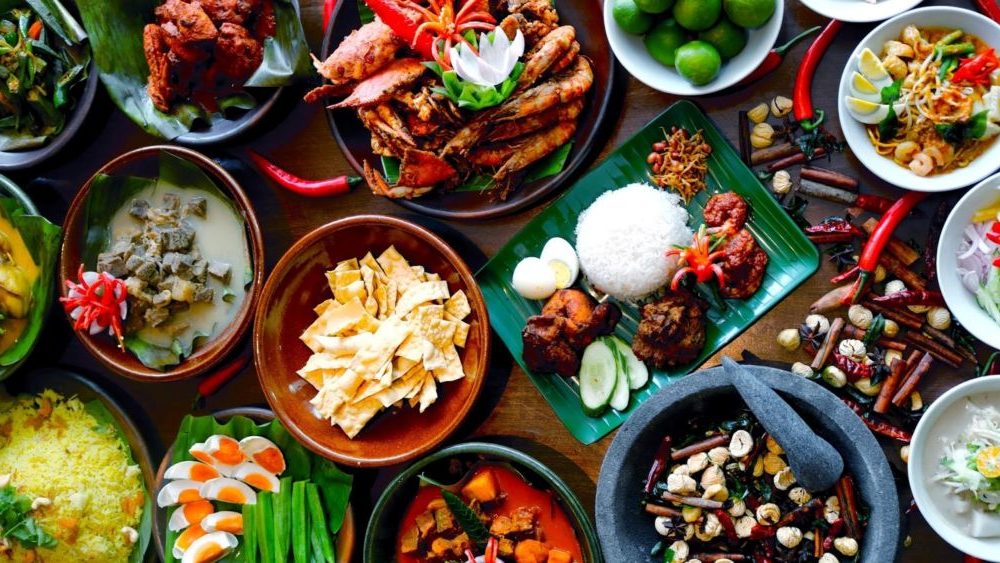
It happens quietly, almost imperceptibly at first. You walk into a café and see nasi lemak reintroduced as a “Nanyang Coconut Rice Set.” A packet of rendang is described as “Peranakan Braised Beef.” A bowl of laksa that follows Malay techniques and ingredients is marketed as “Nyonya Laksa.” Even traditional desserts like putri salat, kuih lapis, or apam balik are relabelled as “Straits Cakes” or “Nanyang Sweets.”
These dishes are not ambiguous. They are Malay. Their histories are clear, their origins traceable, their methods handed down through generations of Malay families. Yet increasingly, food companies strip away that identity and replace it with more commercially comfortable labels.
What looks like clever marketing is, in reality, a slow erasure of Malay heritage.
The Disappearing Act
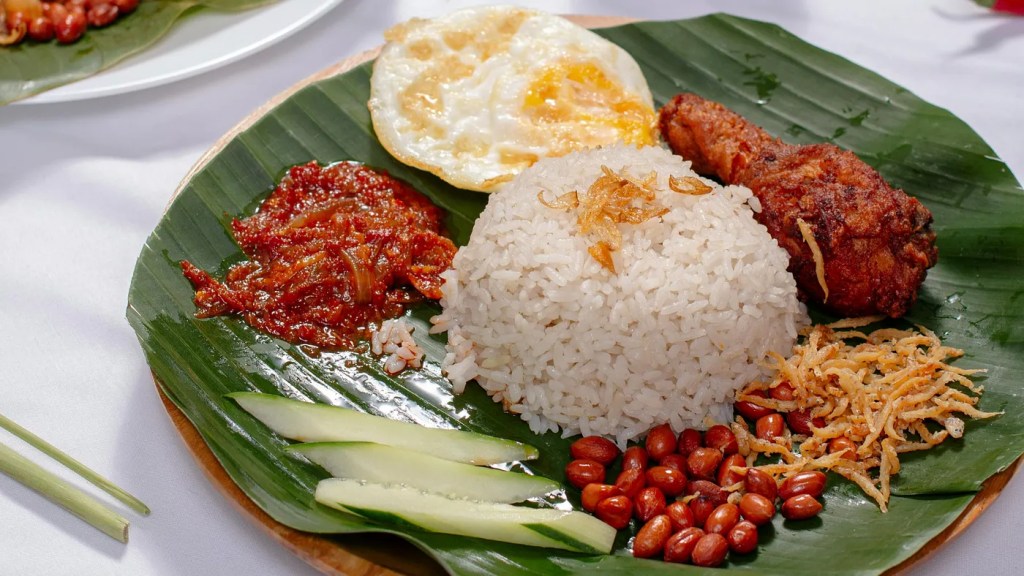
Consider nasi lemak. It is a cornerstone of Malay cuisine, rooted in the coastal communities that perfected cooking rice in coconut milk. Yet it is routinely rebranded as “Nanyang rice,” as if the dish materialised from a vague regional influence rather than a specific cultural lineage.
Or rendang, a dish so central to Malay identity that entire families take pride in their recipes. Some brands now call it “Nyonya Beef Stew,” a label that conveniently distances it from the Malay communities that created and preserved it.
Even Malay laksa varieties – those built on turmeric, daun kesum, and tamarind – are frequently swept under the broad “Nyonya laksa” umbrella, erasing distinctions that matter historically and culturally.
And then there are the kuih.
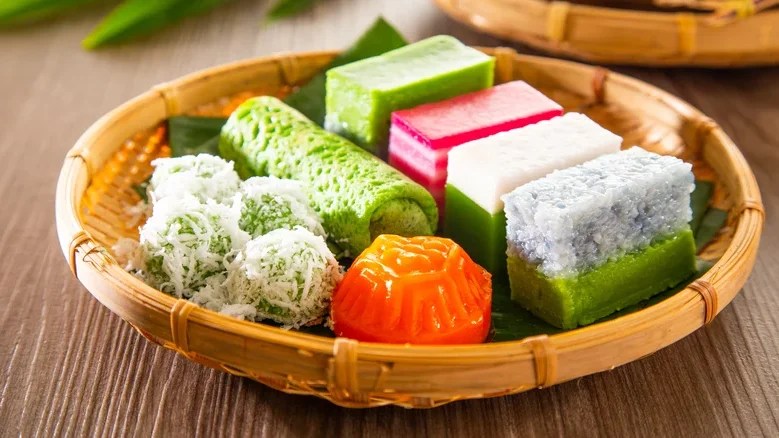
Kuih lapis becomes “Nyonya Kuih Lapis.” Putri salat becomes “Peranakan Putri Salat.” Kuih koleh kacang, seri muka, onta, or kuih bakar become “nyonya heritage bites,” as if these desserts floated into existence without cultural roots.
Why This Matters
Renaming is not harmless. It has consequences.
First, it removes attribution. When Malay dishes are repackaged as “Nanyang” or “Nyonya,” the people who created them are written out of their own culinary history.
Second, it distorts the record. If the next generation grows up seeing “Peranakan Rendang” on shelves, they internalize a new, inaccurate origin story.
Third, it shifts economic value. Corporations profit from Malay recipes while Malay cooks and vendors are sidelined or made invisible.
The Pattern Is Too Consistent to Ignore.
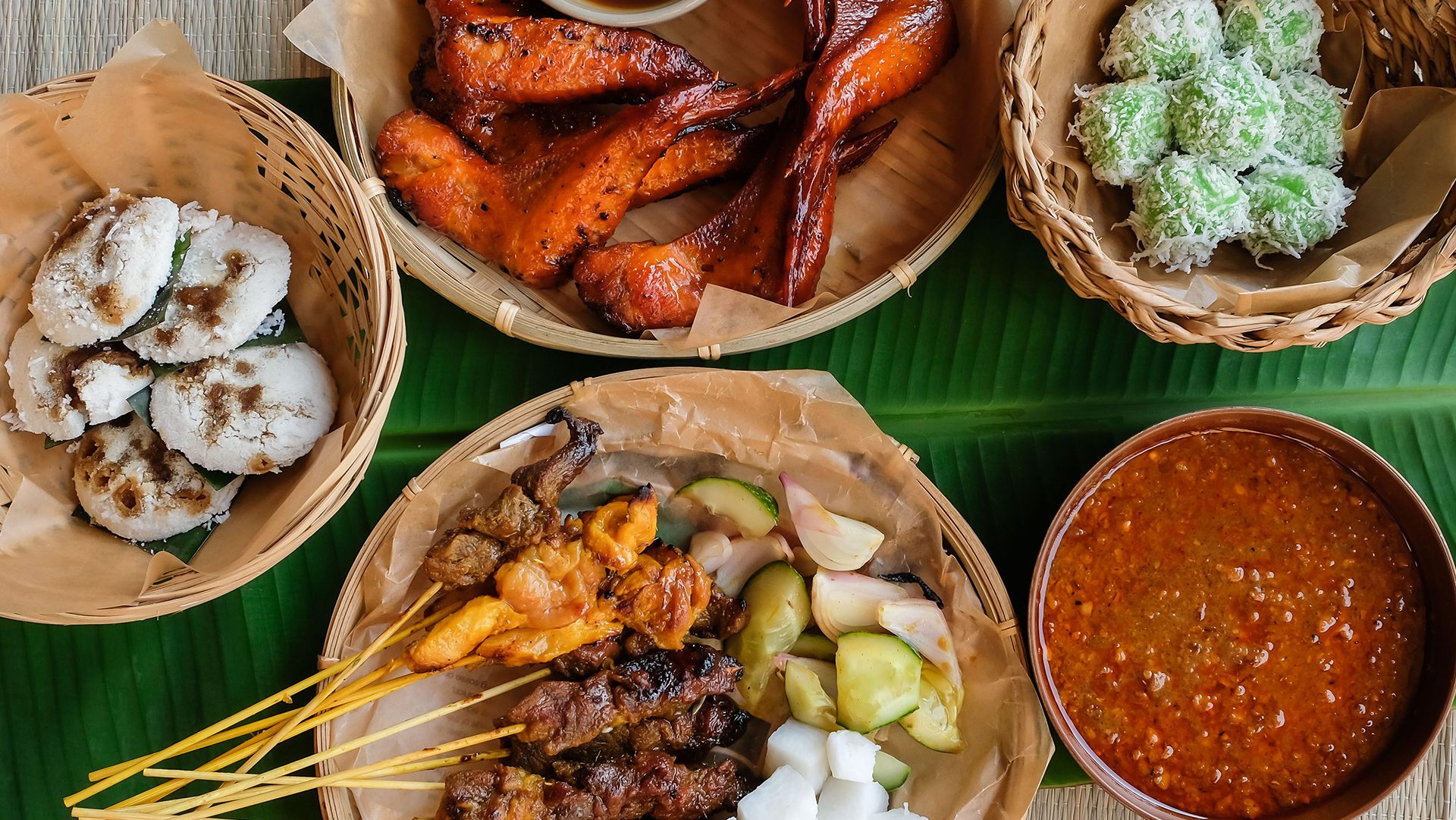
Many cultures have their foods protected fiercely. Thai cuisine, Japanese cuisine and Italian cuisine, all have their names attached proudly and consistently.
But Malay food is often treated as flexible, interchangeable, or easily absorbed into broader umbrella identities. It is appreciated for its flavor, yet its cultural ownership is diluted for easier marketing.
This selective recognition is not respect. It is appropriation.
Honesty Is the Minimum. Innovation is welcomed. Fusion is natural. Food evolves.
But when a company sells nasi lemak, it should say nasi lemak. When it sells rendang, it should call it rendang. When it prepares putri salat, it should acknowledge it as a Malay kuih, not a “Straits pandan custard bar.”
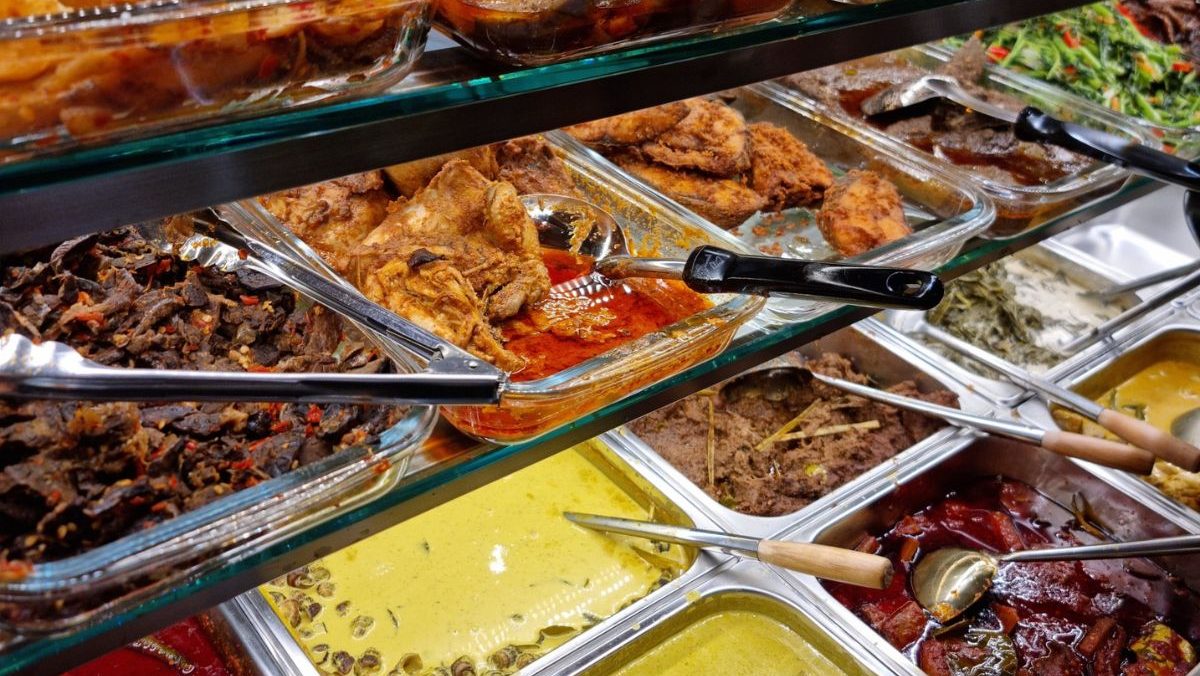
Naming the cuisine correctly is not a burden. It is the bare minimum required to honor a heritage that has been too easily overwritten.
Cultural erasure rarely happens in dramatic strokes. More often, it begins with small edits – with labels changed, with names softened, with credit quietly reassigned until the origin is no longer visible.
And that is exactly what is increasingly happening to Malay food today.
 The Indigenous Narrative