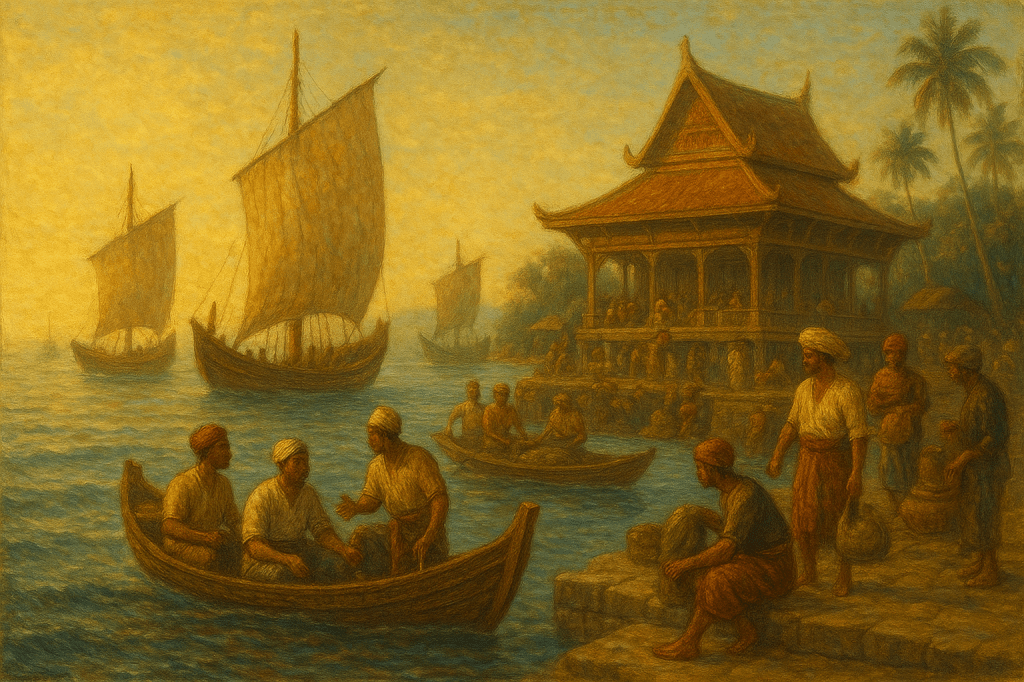
Long before recorded history, before the rise of Srivijaya or Majapahit, before Chinese merchants and Indian traders reached the archipelagos, the seas of Southeast Asia were already alive with movement.
This was the world of the early Austronesians, a maritime civilisation rooted in Island Southeast Asia, whose seafaring knowledge shaped migrations, trade routes, and later the empires that defined the region.
Southeast Asia was not a fringe to this story. It was the centre, the birthplace of the Austronesian peoples, who later expanded northward into Taiwan and outward across the Pacific and Indian Oceans.
Born of the Archipelago

Surrounded by straits, monsoon winds, coral seas, and dense archipelagos, early Southeast Asians developed maritime technologies unmatched anywhere else at that time.
Their boatbuilding traditions included:
● outriggers, unique to the Austronesian world
● lashed-lug hulls, stitched and flexible rather than rigid
● double-hulled vessels, ancestors of Polynesian voyaging canoes
● expert celestial and environmental navigation
These innovations were not borrowed; they originated in the region long before external contacts. This made Austronesian societies among the most seaworthy communities on the planet.
Northward Movement That Sparked a Global Migration
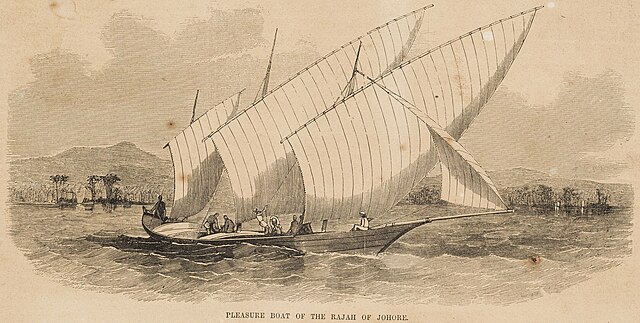
From the coasts of what is now Indonesia, Malaysia, and the Philippines, Austronesian groups moved northward into the Philippines and then into Taiwan, establishing early settlements there.
From Taiwan, later groups pushed eastward into the Pacific and westward into Madagascar, but the technological and cultural roots remained firmly Southeast Asian.
This reverses the old narrative, restoring Southeast Asia as the ancestral core of one of humanity’s greatest population expansions.
The First Maritime Networks of Asia
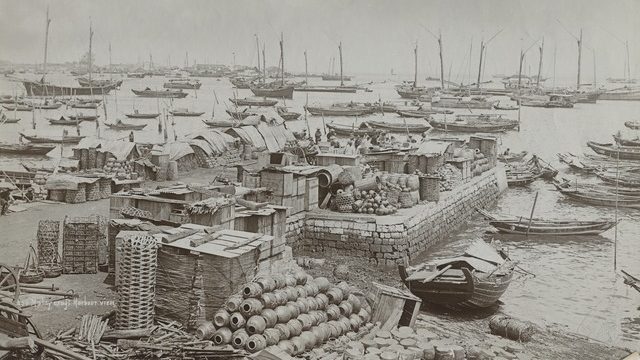
Long before Indian, Arab, or Chinese ships sailed into island Southeast Asia, Austronesian seafarers had already woven together a web of maritime highways linking:
● Borneo with the Malay Peninsula
● Sulawesi with the Moluccas
● Sumatra with the Nicobar and Andaman Seas
● the Visayas with Taiwan
● Java with the Indian Ocean world
These routes carried more than goods. They carried culture, language, crops, and ideas, forming the earliest foundations of the trading systems that later empires would inherit.
From Seafarers to Empire Builders
Out of this deep maritime tradition arose the great Austronesian-descended empires of Southeast Asia.
Srivijaya
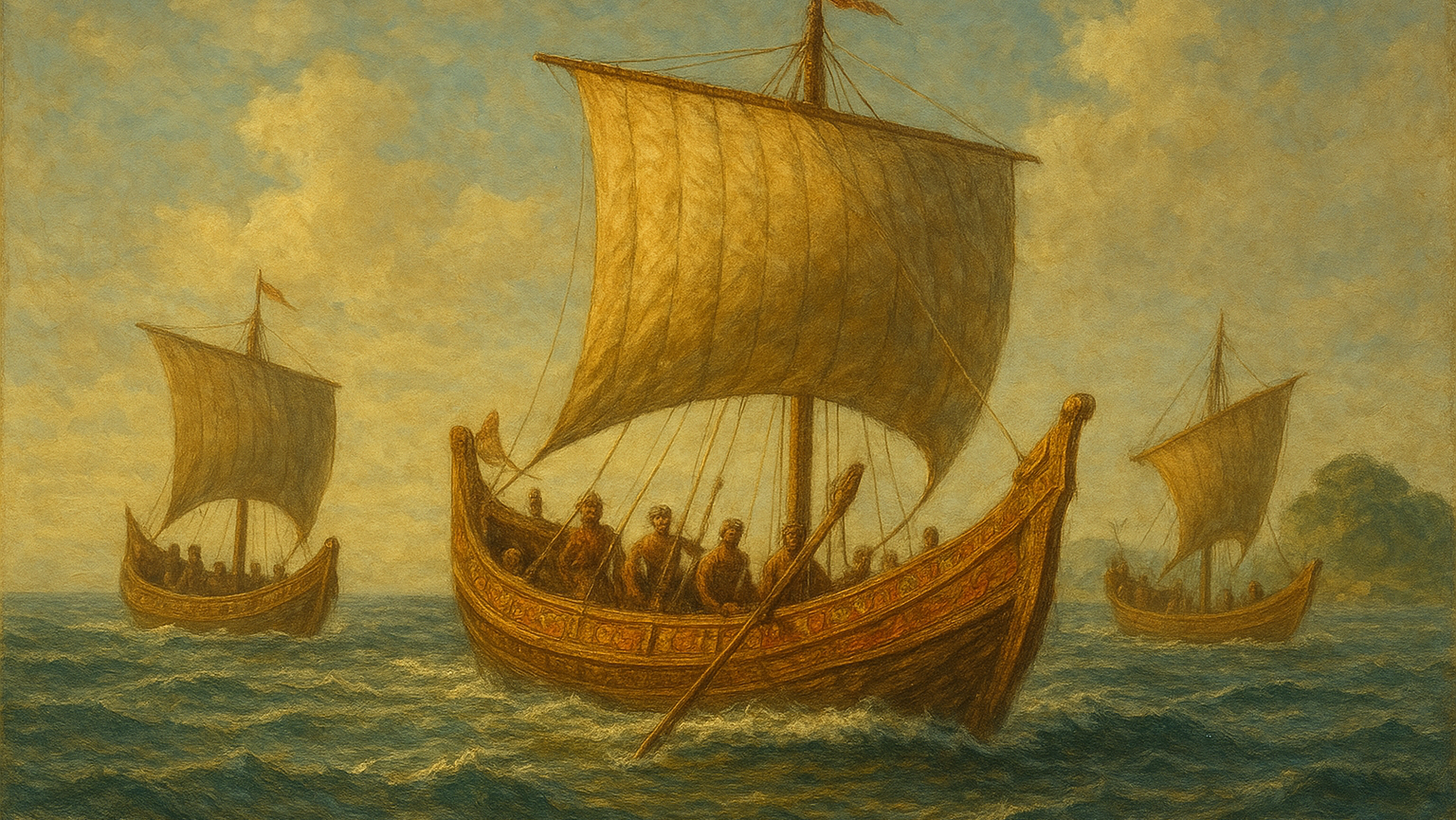
A Malay maritime thalassocracy in Sumatra that dominated the Straits of Melaka. Its power was oceanic, built on controlling ports, harbours, and sea lanes. Srivijaya flourished because its people already possessed centuries of Austronesian navigational expertise.
Majapahit
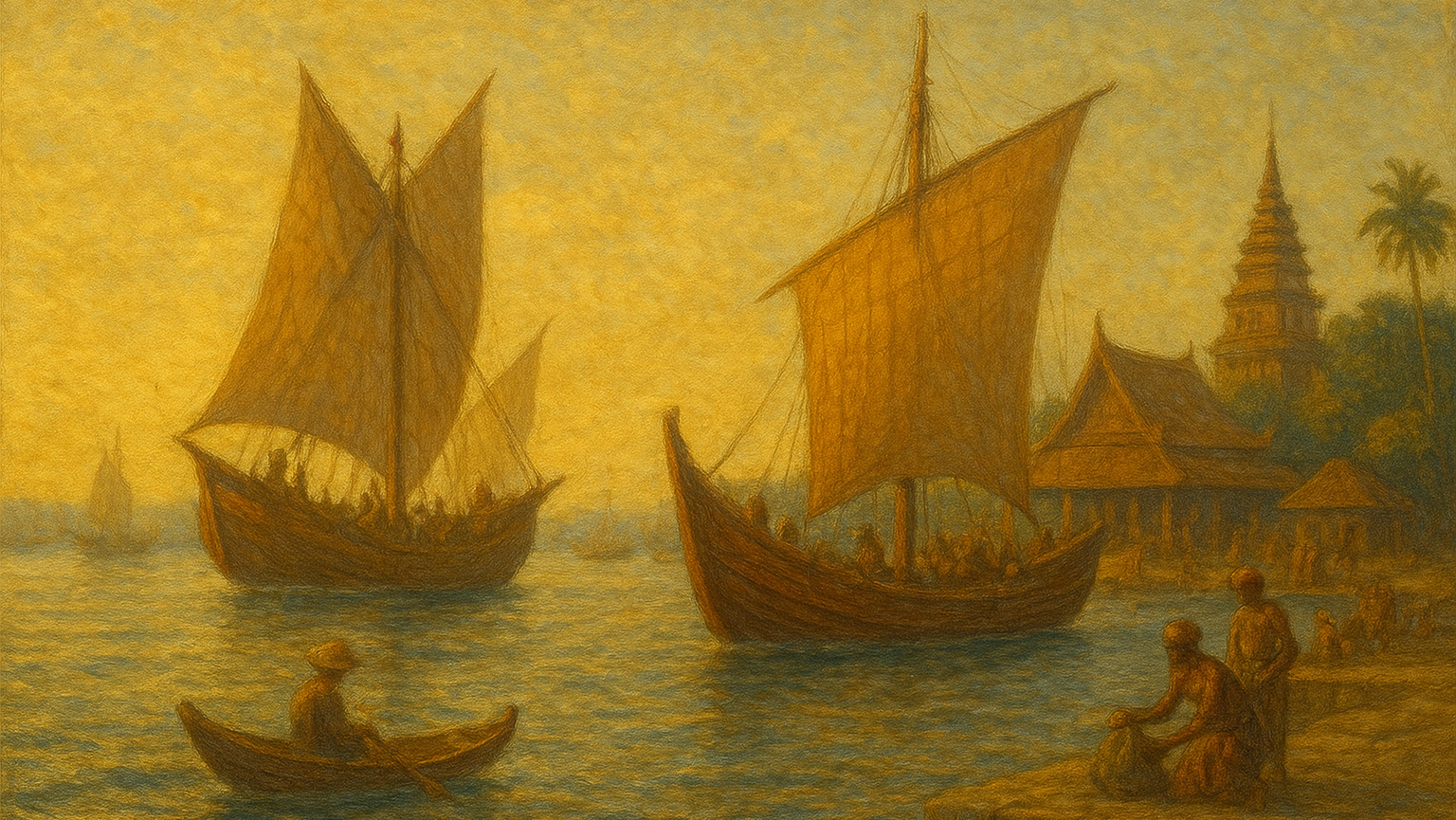
Rooted in Javanese-Austronesian traditions, Majapahit’s influence spread across the archipelago through fleets of jong and lancang, massive ships that astonished Chinese and Arab observers. Its strength was not merely territorial, it was maritime.
The Malaccan Sultanate
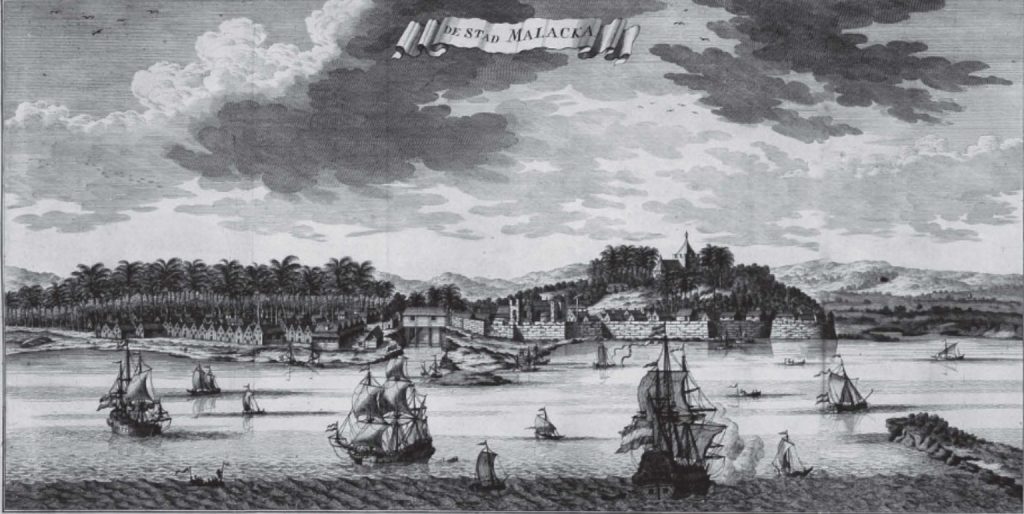
Perhaps the greatest port-polity of its time, Melaka inherited the same Austronesian instincts: mastery of monsoon winds, strategic placement on sea routes, and diplomatic networks stretching across the Indian Ocean. Its lineage flowed directly from the older Malay-Austronesian maritime world.
Other Austronesian Maritime States
Beyond the Malays, Austronesian seafaring heritage gave rise to polities such as:
● Sulu and Tondo, Philippine maritime polities linking regional islands with international trade
● Butuan, renowned for its trade with China and India
● Makassar and Gowa-Tallo, Sulawesi kingdoms with extensive naval fleets
● Bajo seafarer communities, controlling inter-island networks in eastern Indonesia
Each was different, but all shared an ancestral relationship with the sea, a connection carved by the early Austronesians of Southeast Asia.
A Legacy That Still Shapes the Region
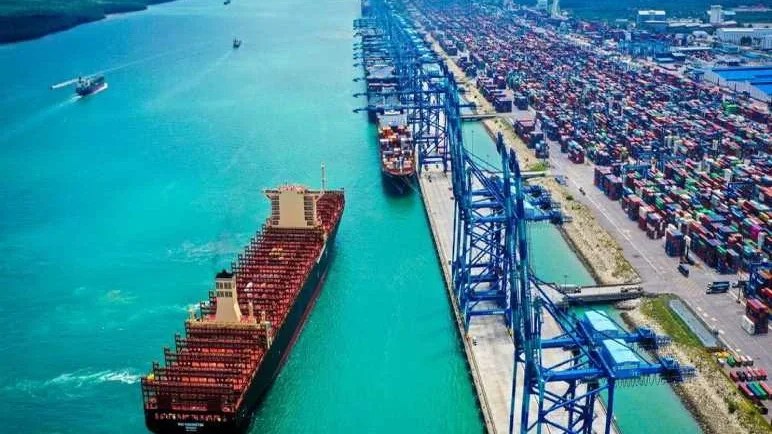
Today, the Austronesian world remains one of the largest cultural-linguistic spheres on Earth, stretching from Madagascar to Rapa Nui, from Taiwan to Aotearoa.
At its heart stand the peoples of Southeast Asia, including the Malays, whose ancestors once stitched planks into canoes, read the stars for direction, and crossed distances that many ancient civilisations believed impossible.
Their maritime brilliance did more than move people. It laid the groundwork for the rise of powerful empires, the formation of transoceanic trade, and the cultural unity of the region’s islands and peninsulas.
The sea was never a boundary for our ancestors. It was an inheritance, a technology, a worldview, and a destiny that shaped the Malay world, other Austronesian polities, and the wider maritime world alike.
 The Indigenous Narrative