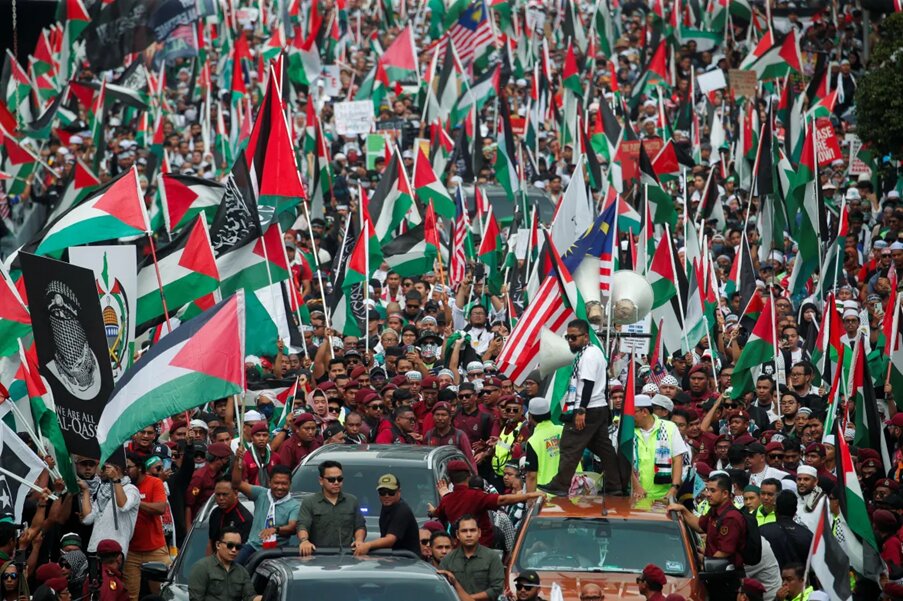
Before present-day borders, Palestine awakened the Nusantara’s political and spiritual conscience.
The Early Connections: Faith, Empire, and Awakening
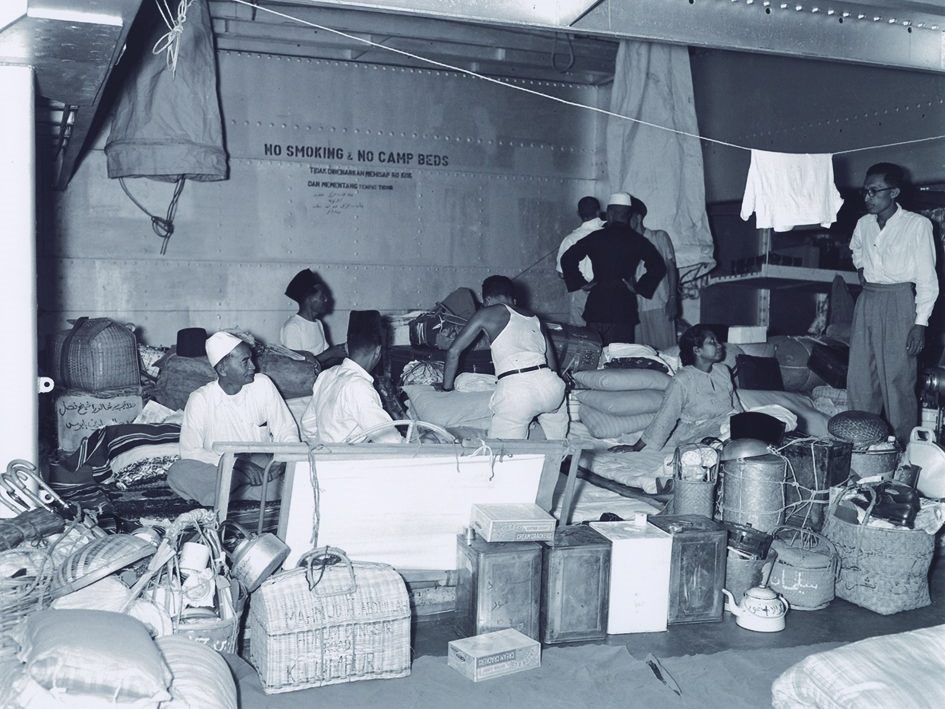
In the first half of the twentieth century, the Malay world was still finding its voice under colonial rule. Steamships carried pilgrims and students from Penang, Singapore, and Kelantan, and from Batavia, Aceh, and Surabaya, to Mecca and Cairo.
They returned with stories not only of faith, but of a distant land, Palestine, where another people under British rule were facing displacement and struggle.
In the coffeehouses of Al-Azhar and along the streets of Jeddah, Malay and Indonesian scholars met, spoke Arabic, and shared a sense of awakening. They heard of Jerusalem, of Zionist settlements, of Arab families losing their land. Among them were young men who would later become teachers, writers, and nationalists, voices like Haji Agus Salim, Mohammad Natsir, and Hamka, who saw in Palestine’s plight a reflection of their own colonised world.
When they came home, they wrote in newspapers like Utusan Melayu and Warta Malaya, as well as Pedoman Masyarakat and Al-Munir, warning their readers that a great injustice was unfolding.
To the Malay and Indonesian mind, Palestine was no longer a faraway land. It was a mirror reflecting their own loss and longing.
A Mirror of Struggle
Even before Malaya, Singapore and Indonesia won their independence, Palestine had already entered the Nusantara’s moral vocabulary as a mirror of their own experience – a small, faithful people resisting domination.
The word ummah, the global Muslim community, was not yet political rhetoric. It was a feeling, a current that flowed across seas and islands, connecting the mosque schools of Sumatra to the pesantren of Java and the suraus of the Malay Peninsula.
When Israel was established in 1948 and Palestinians were expelled in their hundreds of thousands, both Malays and Indonesians watched through the lens of their own decolonisation. The Nakba coincided with their own transition from subjecthood to self-rule.
In Jakarta, Surabaya, Kuala Lumpur, and Singapore, Palestine became a symbol of postcolonial injustice, the unhealed wound left by the same powers that had once ruled them.
Diplomacy of Principle
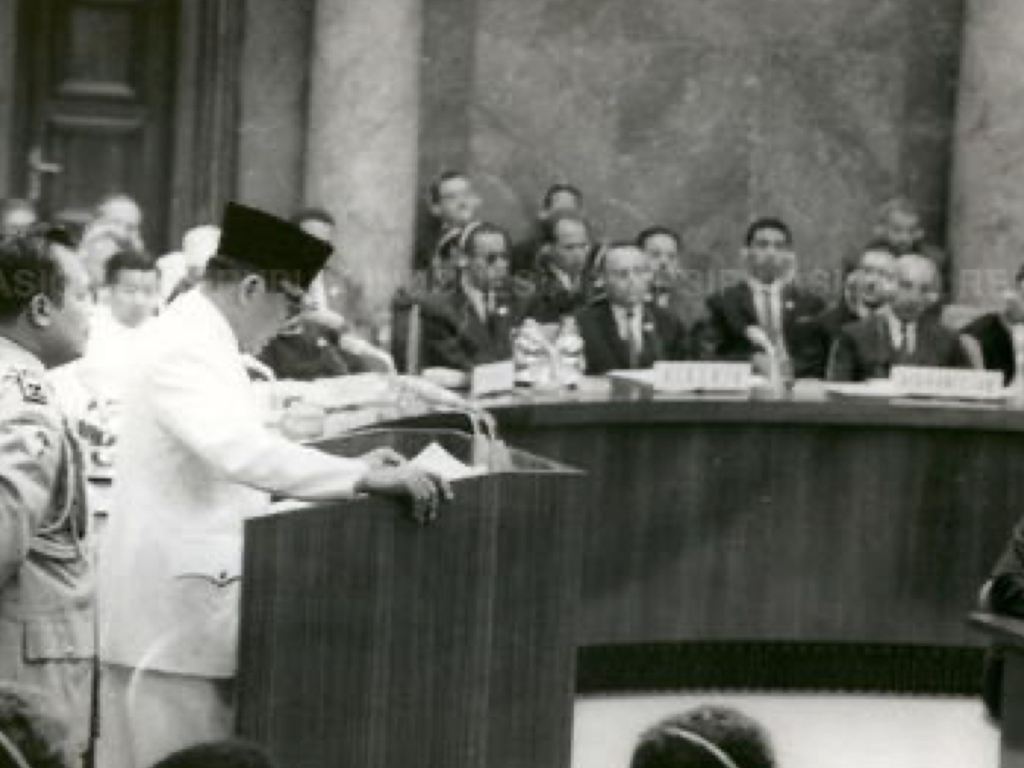
By the 1950s and 1960s, both Indonesia and Malaysia carried this empathy into diplomacy. Sukarno’s Indonesia, staunchly anti-imperialist, refused to recognise Israel, framing the Palestinian struggle as part of the broader battle against colonialism and Western domination.
Malaysia, under Tunku Abdul Rahman and later Mahathir Mohamad, echoed that stance, not just as politics, but as principle, the conviction that freedom and faith could not be separated.
In Singapore too, before and after separation, Muslim communities held donation drives and Friday sermons for Palestine, their prayers linking Southeast Asia to the Middle East through a shared language of pain and hope.
To defend Palestine was to defend dignity itself, a moral compass forged in the memory of colonisation.
The Cause That Crossed Generations
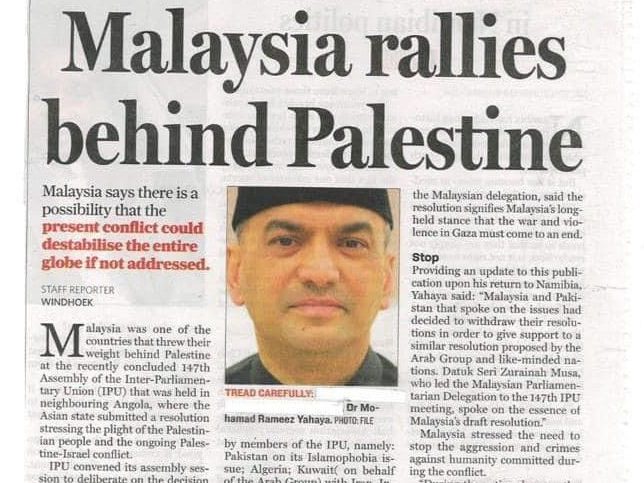
As the decades passed, Palestine ceased to be only a foreign cause. It became part of the Nusantara’s cultural memory, an emotional inheritance passed through generations.
Children grew up seeing the keffiyeh as a symbol of courage, the Dome of the Rock as a sacred image of resistance. The words al-Quds, jihad, and maruah intertwined: the defense of Jerusalem became synonymous with the defense of dignity.
In Indonesia, songs, posters, and student rallies carried Palestinian flags beside Indonesia’s red and white, proclaiming “Free Palestine!” as a natural extension of their own cry for justice.
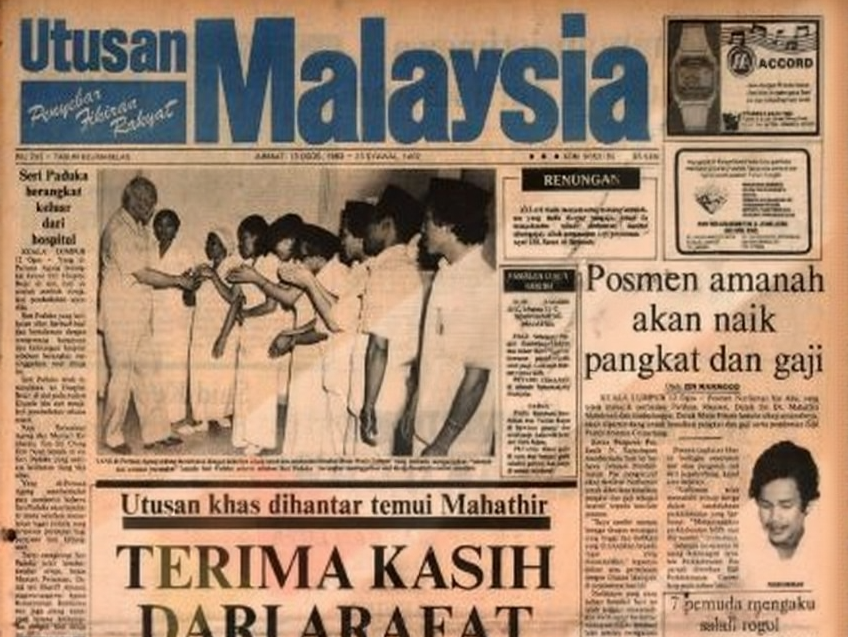
By the 1980s and 1990s, Malaysian and Indonesian leaders, from Mahathir Mohamad to Suharto’s critics in Islamic circles, articulated this connection in the language of moral defiance, denouncing apartheid, imperialism, and hypocrisy in global politics.
Palestine became a moral compass for both Malaysia’s and Indonesia’s foreign policy, but also a mirror for their societies: a reminder that faith and justice must walk together.
The Digital Age of Solidarity
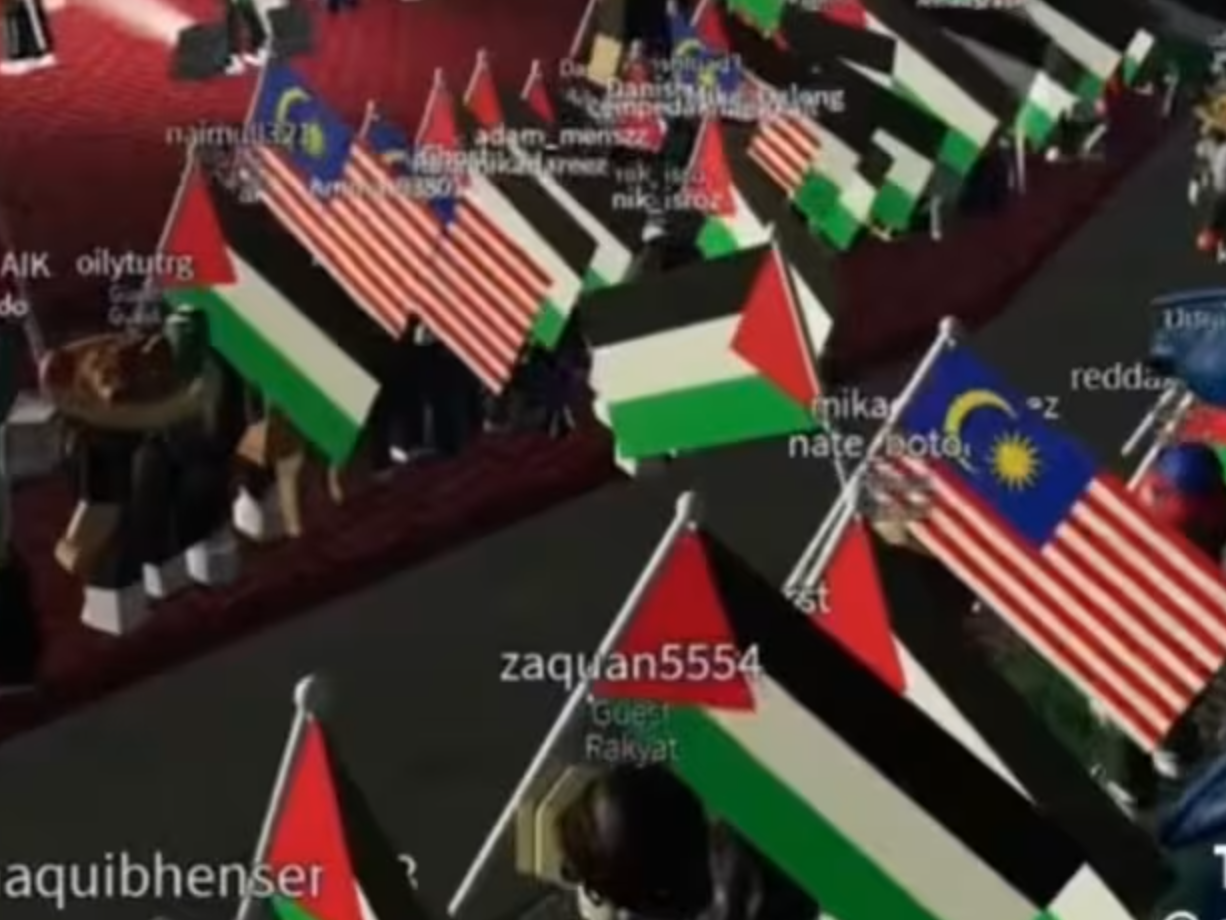
Today, across Malaysia, Indonesia, and Singapore, that feeling has not faded. It has sharpened. Social media brings the horror closer than ever. Southeast Asian Muslims do not just read about Gaza; they see it, unfiltered, on their screens.
They witness children pulled from rubble, hospitals bombed, journalists silenced. It is no longer an issue of distant geopolitics, but a question of right and wrong.
The world today watches as Israel, with overwhelming military power, carries out actions that countless international observers and rights groups have called war crimes: collective punishment, targeted bombings of civilians, the use of starvation as a weapon.
For many in the Nusantara, this is not merely a tragedy; it is a moral outrage. And because their collective memory is rooted in histories of colonisation and struggle, they recognise the pattern: the powerful rewriting the narrative, the oppressed painted as aggressors.
A Shared Moral Compass
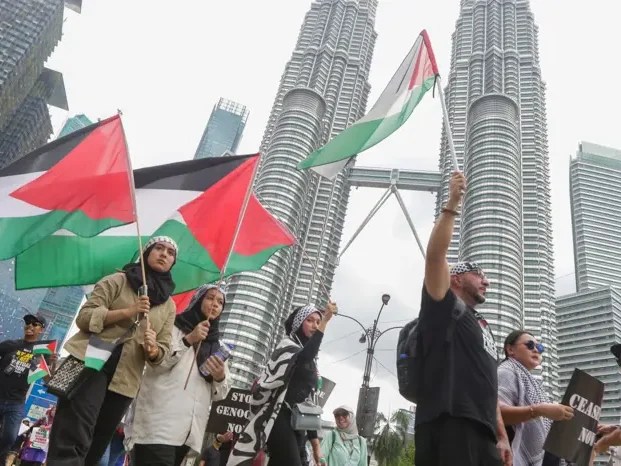
This is why the Palestinian cause still stirs the Malay–Indonesian heart more than most global issues. It is not only about religion, though faith deepens the empathy. It is about justice, about the universal struggle of the powerless against the powerful. It resonates because it echoes the story of the Nusantara’s peoples themselves: a people who once faced domination, yet found dignity in resistance and unity.
In Kuala Lumpur and Jakarta, the Palestinian flag flies beside the national one at rallies. In Singapore, despite the limits of public protest, solidarity lives through sermons, donations, and prayers whispered in quiet corners.
Online, Southeast Asian youth debate and organise, invoking both faith and human rights. They are inheritors of that century-old awareness: that what happens in Palestine is not someone else’s tragedy, but a shared moral wound.
Enduring Conscience
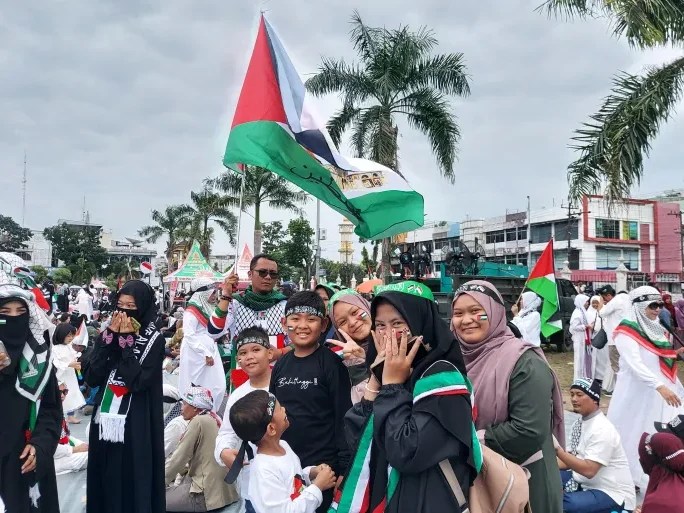
And so, more than eighty years after the newspapers of Penang, Singapore, and Padang first reported on the troubles in the Holy Land, the connection endures, transformed but unbroken.
What began as a story of distant empathy has become an assertion of moral clarity: that no faith, no culture, and no humanity can stay silent before the deliberate destruction of a people.
For the indigenous people across the Nusantara, to stand with Palestine today is not simply to remember history. It is to affirm a truth older than politics, that justice is indivisible, that oppression anywhere dishonors freedom everywhere, and that some causes remain sacred because they remind us who we are.
 The Indigenous Narrative