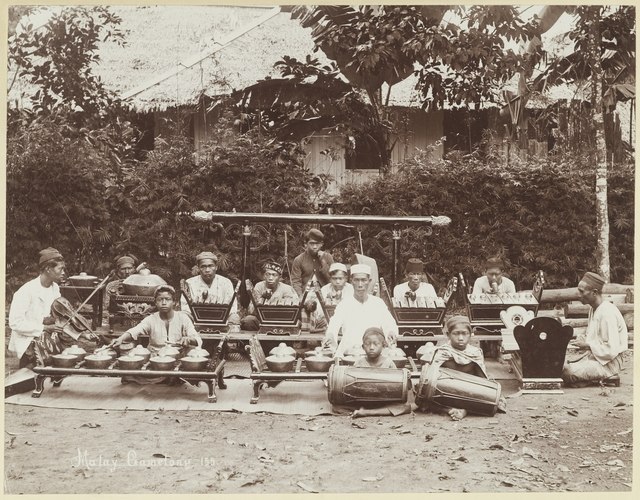
When a TikTok user with the username “joeiboaz” began her video with the question, “Did you know Singapore has indigenous people?” , the comments section lit up with surprise.
For some, it was a revelation. For others – especially Malays – it was a strange feeling. How could something so fundamental to our identity be news to so many?
As Singaporeans, and as Malays, this moment made me reflect on something deeper: how little we often know, or are taught, about our own roots. Despite it being written in Singapore’s Constitution that the Malays are recognised as the indigenous people of this country, public understanding and even within our own community, remains unclear.
Some might dispute it, perhaps out of misunderstanding or lack of exposure. But the truth is both clear and well-documented: the Malays, including its sub-ethnic groups such as the Orang Laut, Javanese, Boyanese, Bugis and the rest, are all the indigenous people of Singapore. This is not merely a belief; it is a fact grounded in history, genetics, and geography.
The Forgotten Context: Nusantara, Our Shared Homeland
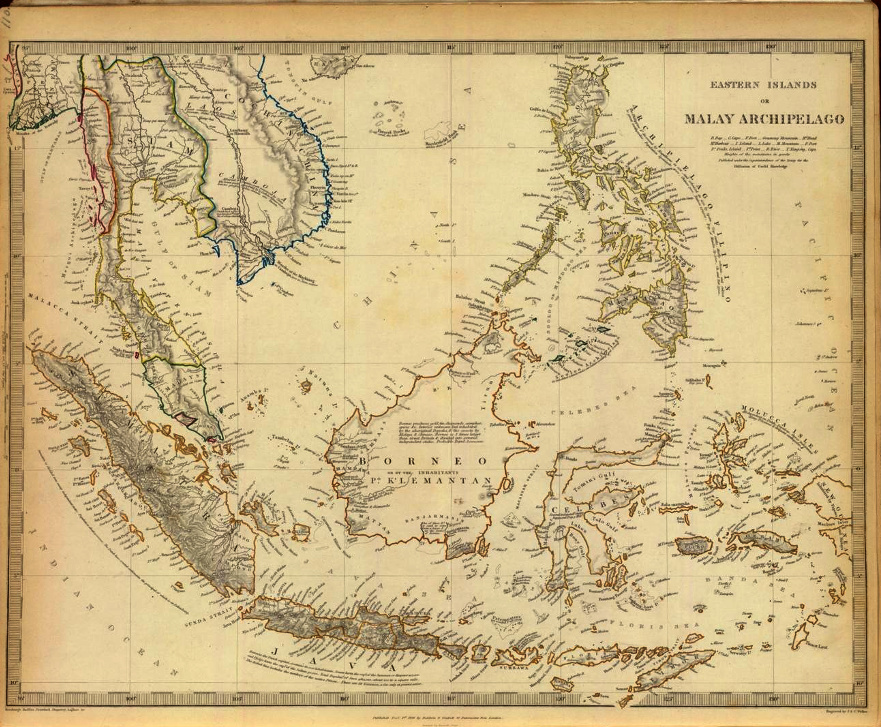
To understand indigeneity in Singapore, we must look beyond modern borders.
The term “Nusantara”– an ancient indigenous word found in texts like the 14th-century Nagarakretagama and the Sejarah Melayu (Malay Annals) – describes the vast archipelago now known as Southeast Asia.
Historically, Nusantara encompassed regions that include present-day Malaysia, Indonesia, Brunei, southern Thailand, the Philippines, and, of course, Singapore.
Singapore was never isolated. It was part of a living, breathing network of trade, language, and kinship – a maritime world of Austronesian peoples connected by sea and culture long before colonial borders drew lines between us.
Archaeological evidence shows that a Malay settlement existed in ancient Singapore as early as the 13th and 14th centuries. Historical records such as the Nagarakretagama mention diplomatic and trade relations between Singapore and the Majapahit Empire, while Chinese accounts by Wang Dayuan describe thriving ports and seafaring communities here.
Artifacts from that era – including Javanese-style figurines – reaffirm what the historical texts tellus: Singapore was a Malay world long before it was a British colony.
From Srivijaya to Majapahit, from the Malaccan Sultanate to Johor-Riau, Singapore was always part of indigenous Malay polities. Our story didn’t begin in 1819. It began centuries before.
Who Are the Malays?
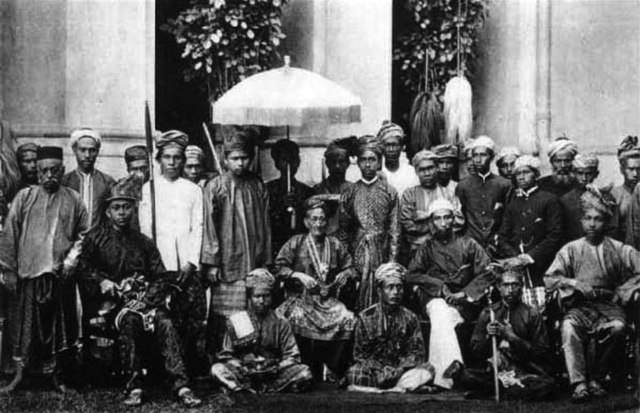
Ask ten Malays to define “Malay,” and you might hear ten different answers — each tied to family, island, or dialect.
In Malaysia, the Constitution defines a Malay as someone who professes Islam, speaks Malay, practices Malay custom, and was born in or domiciled in Malaysia or Singapore.
In Singapore, the definition is even broader: “any person, whether of the Malay race or otherwise, who considers himself to be a member of the Malay community and is generally accepted as such by that community.”
This inclusive understanding recognises sub-ethnic groups like the Javanese, Bugis, Boyanese, and Orang Laut – all of whom share cultural, linguistic, and ancestral threads that weave into the broader Malay identity.
While our dialects, cuisines, and customs may differ, our roots are intertwined.
Genetic studies reinforce this connection. A 2015 study found that Malays from Peninsular Malaysia, Singapore, and Indonesia share significant Austronesian and Southeast Asian aboriginal genetic components.
A 2017 genetic study examining various Malay sub-ethnic group found that they share ancestral ties with the Proto-Malays and other indigenous Southeast Asian populations.
The research supports the view that the Malays are not recent arrivals but descendants of the earliest inhabitants of this region, whose roots trace back thousands of years across the archipelago.
This evidence reinforces what oral traditions and cultural memory have long held: that the Malays are part of an unbroken lineage deeply tied to the land and seas of the Nusantara.
From Singapore to Sumatra, Borneo, and the Malay Peninsula, these were the same peoples who built settlements, traded across the coasts, and shaped the cultural foundations of maritime Southeast Asia long before colonial powers drew borders or rewrote histories.
For decades, the “Out of Taiwan” theory has dominated discussions about the origins of the Austronesians, the seafaring peoples whose languages and cultures stretch from Malaysia and Singapore to Madagascar and Easter Island. But new research is beginning to tell a more complex story, one that points not just northward, but inward, toward the heart of the Nusantara itself.
Recent genetic studies on Malay and other Austronesian-speaking populations reveal deep ancestral roots across both the mainland and islands of Southeast Asia.
A 2020 study on the paternal lineages of Malays found that their founding genetic lines expanded some 5,000 to 6,000 years ago, right here in the region. These lineages show close connections to neighbouring mainland Southeast Asian populations, suggesting that the ancestors of the Malays and their Austronesian kin did not simply arrive from afar, but were part of an ancient web of peoples already thriving within the archipelago.
This blending of ancestries points to Southeast Asia as more than just a passageway in the Austronesian story, it may have been one of its earliest cradles.
Modern Malays, therefore, descend from early basal Austroasiatic and hunter-gatherer ancestry, and Austronesian seafarers – the very people who populated this maritime world long before colonialism drew maps.
Our genetic and linguistic heritage tells the same story our traditions do – that we are one people of the same ancestral land and sea.
Why Recognition Matters
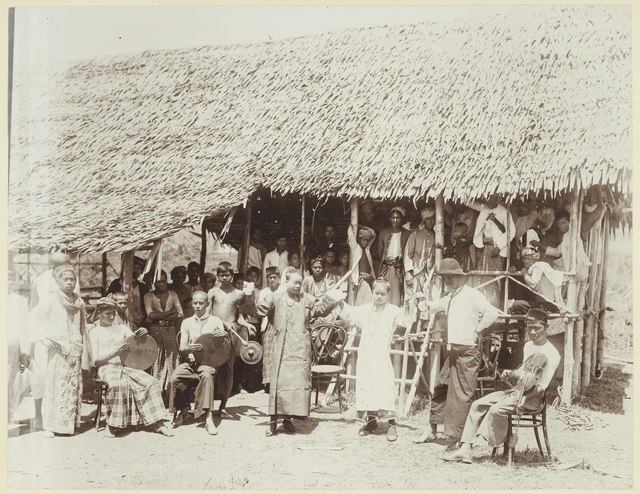
And yet, despite this wealth of evidence, many Malays in Singapore still hesitate when asked about our origins.
Some believe our identity is fragmented – divided between Javanese, Bugis, Boyanese, or other sub-ethnic labels. Others see themselves as part of a broader Southeast Asian diaspora, detached from Singapore’s land itself.
But this uncertainty is not natural, it is learned.
It comes from centuries of colonial framing, where local identities were reclassified, and indigenous heritage was overshadowed by imported narratives of modernity and development. In schools, we often learn more about the arrival of colonial figures than the kingdoms and communities that thrived before them.
Recognising that Malays are the indigenous people of Singapore isn’t about claiming superiority or exclusion. It’s about acknowledging truth and continuity – about giving our children the historical grounding to know who they are and where they come from.
It’s about understanding that our sub-ethnic differences do not divide us, but enrich us –because beneath them lies a common ancestry that connects us to one another and to this land.
When Malays rediscover that connection, that we are indigenous not only by residence but by heritage, we reclaim something that has long been taken for granted: our story.
Reclaiming Our Story
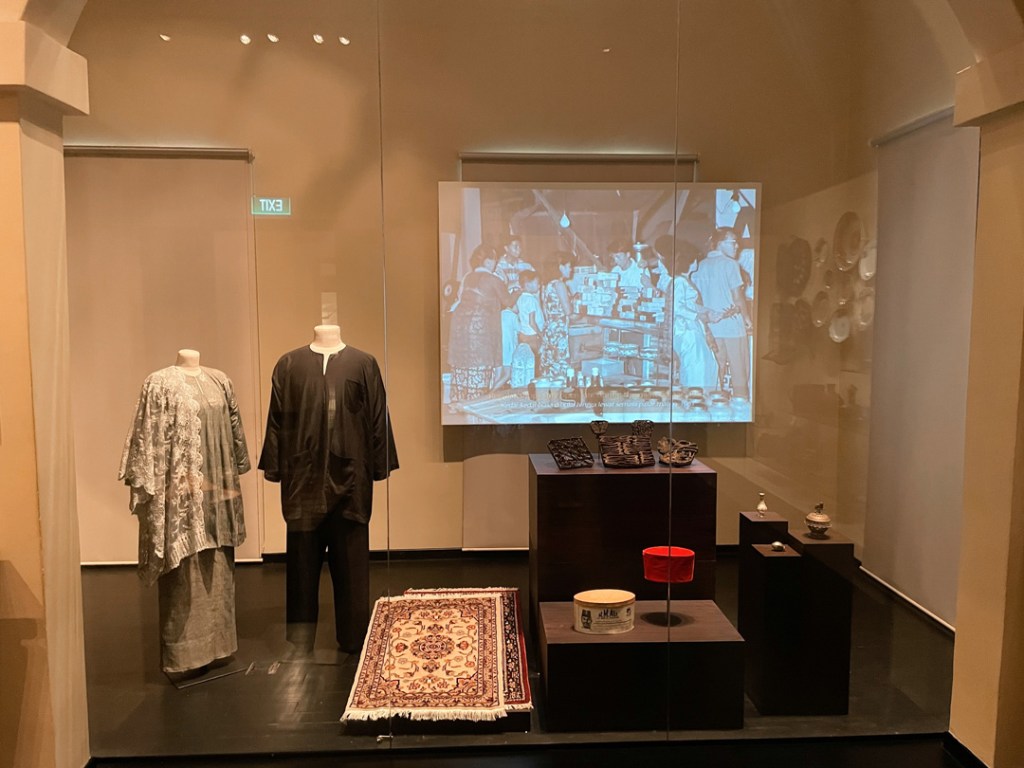
We live in a time where the pace of life often pulls us away from our roots. But our stories deserve to be told – in classrooms, in conversations, and yes, even on TikTok.
By learning about the Malays’ indigenous heritage, we also learn to see Singapore through a different lens, not just as a modern city-state, but as part of a living, ancient world that continues to shape who we are.
Our hope is that more Malays – especially younger ones – will begin to explore their own family histories, to learn the stories of their ancestors, and to recognise the unifying ties that bind us across the islands and seas of the Nusantara.
This isn’t just about history; it’s about identity, dignity, and belonging.
A Call to Rediscovery
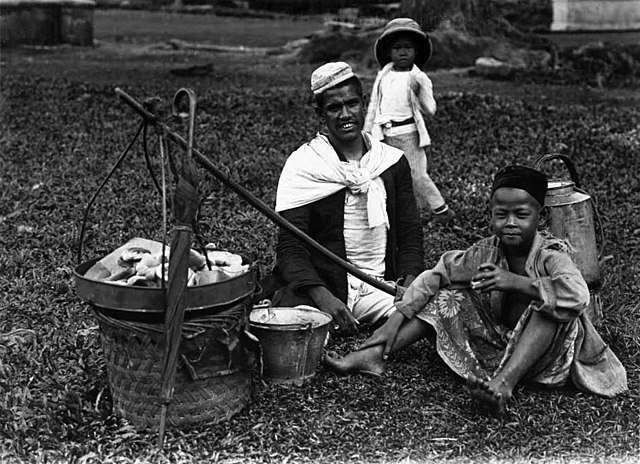
As Malays, we carry within us the legacy of a seafaring people – explorers, traders, poets, and navigators of the Nusantara. Recognising our indigeneity is not an act of nostalgia, but of truth.
It reminds us that we are not outsiders in our own homeland, but inheritors of it.
So join us on this journey. Follow our upcoming stories as we continue to explore the narratives of indigenous peoples across Singapore and Southeast Asia – stories that reveal not just wherewe come from, but who we are and who we can still become.
Because before there was Singapore, there was us.
-LJ
 The Indigenous Narrative